Sebi wants more clarity on imposition of 10 per cent Long Term Capital Gains (LTCG) tax proposed in the Union Budget, Chairman U K Sinha said on Monday while asserting that the regulator would not allow market manipulation by those abusing tax exemptions.
On the government's move to impose 10 per cent LTCG tax on entities which purchased shares in unlisted companies, Sinha said this Budget announcement is a good move.
Noting that market participants are seeking clarification on which situation it would be imposed, Sinha said, "I am in agreement with the government except that more clarifications are required."
Addressing his last press conference as Chairman of Sebi, Sinha said that from the regulator's point of view, when people try to manipulate the market there are multiple motives.
"Here the motive was to evade paying LTCG... Preventing the avoidance of LTCG is the domain for another agency but our job is to ensure that market is not manipulated," he said.
In the Union Budget 2017-18, the government announced that 10 per cent LTCG tax would be levied on entities which have acquired shares in unlisted companies and have not paid the Securities Transaction Tax (STT). The provision is to be applicable for such share purchases made on or after October 1, 2004.
With the announcement, the LTCG tax exemption has been withdrawn.
While the provision is aimed at checking misuse of this exemption for tax evasion through 'sham transactions' in stock market, it also provides for continued exemption for "genuine cases" where STT could not have been paid.
However, there is no mention of ESOPs or purchase of shares in unlisted companies by PE or VC investors who typically seek to sell their shares post listing and therefore STT may not have been charged at the time of purchase of shares or grant of ESOPs.
The investors and startups, where a trend is prevalent for grant of ESOPs and investment by PEs and VCs much before listing, fear that the proposed amendment to rules governing tax exemptions for long-term capital gains could potentially place an onerous tax burden on such transactions.
Therefore, they want clarity of application of new rules.
Currently, the income arising from transfer of long-term capital asset, whether equity share of a company or a unit of an equity-oriented fund, is exempt from tax.

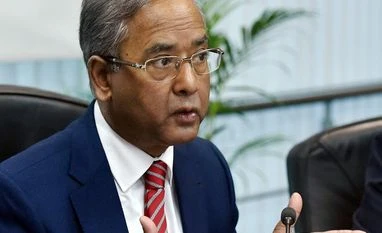 "Sebi wants more 'clarity' on LTCG tax")


 Connect with us on WhatsApp