
Estimated loss of Rs 25,000 crore due to strike: Assocham
The industry chamber also said that the daily wage earners will be the worst affected
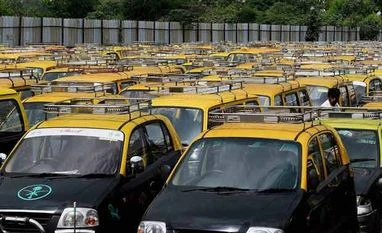 "Estimated loss of Rs 25,000 crore due to strike: Assocham")
Explore Business Standard
The industry chamber also said that the daily wage earners will be the worst affected
The Associated Chambers of Commerce and Industry of India (Assocham) has estimated a loss of Rs.25,000 crore to the economy due to the all-India strike on Wednesday.
"Financial impact of the disruption of essential services might lead to an estimated loss of over Rs.25,000 crore to the economy thereby taking into account the numerous direct and indirect losses," Assocham secretary general D.S. Rawat said.
"The strike is likely to hit industrial activity due to poor workers' attendance, besides footfall in retail trading markets will fall as the walkout will severely impact public transport and with bank employees remaining on strike it will affect operations at the banks," he added.
Normal life was hit in many states on Wednesday as millions of industrial and blue collar employees struck work in the first nationwide protest since Prime Minister Narendra Modi took power more than a year ago.
Leaders of central trade unions which called the day-long strike claimed "unprecedented success" as banks, insurance companies and state-run as well as private factories shut across the country. Transport unions and traders too joined the protest in many places, leading to the closure of educational institutions and thin attendance in government offices.
"A big jolt would accrue to the export cargo thereby throwing crucial delivery schedule to haywire, besides with exports being under pressure, such things like strike would give a further setback," Rawat said.
The industry chamber feels the poor daily wage earners will be the worst affected.
"Labour reforms are necessary and the government should intervene to come to an agreeable solution in the interest of the industry and the nation as a whole," Rawat said.
The strike is in support of 12 demands, including withdrawal of labour law amendments, a minimum wage of Rs.15,000 a month and against privatisation of public sector units. Unions said about 300 million workers were involved in the protest.
"Somehow, the trade unions and other stakeholders need to get a feeling of reassurance that labour reforms are meant to enhance employment opportunities and not take away the jobs and that overall objective is to strengthen jobs because it is only through enhanced consumer power that the industry can grow," he added.
First Published: Sep 02 2015 | 3:28 PM IST

