In the end it all boils down to: does the end justify the means? Three different situations prompted this musing. The first, Barack Obama's dramatic speech at Georgetown University last week in which he declared that he would bypass Congress and direct the Environmental Protection Agency (EPA) to limit the carbon pollution that comes from power plants in a bid to reduce global warming.
This in the week that his image took one of its worst tumbles after it was revealed that his administration had allowed the National Security Agency (NSA) to violate US citizens' right to privacy in a secret programme till 2011.
The second, Google's 'Legalise Love' campaign launched last year in which the tech giant announced its commitment to gay rights and to cultivating a work environment where Googlers can be themselves and thrive.
"We are proud to be recognised as a leader in LGBT inclusion efforts but there's still a long way to go," it had said. "Legalise Love is our drive to ensure that all of our employees have the same inclusive experience outside of the office as they do at work."
In a brilliantly argued article ' Google is a gay rights advocate now?' in
Salon, journalist Kate Redburn accused Google of pink washing, a term that describes using gay rights in an attempt to improve one's bottom-line or image. "Ending anti-gay and anti-trans bigotry is a laudable goal, but it doesn't take a cynic to see that gay rights are a means to other ends. Not only is Google shrouding corporate expansion in the rainbow flag, but it is meddling in the domestic policies of sovereign nations," she said
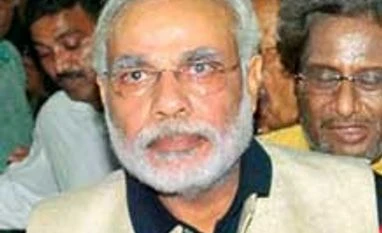
And lastly Narendra Modi's dash to rescue stranded victims of the Uttarakhand floods, which kicked up a political storm and was seen by his critics as a cynical attempt to exploit a tragedy to grab the media spotlight and cast himself in a statesmanlike image for the 2014 elections.
Three outwardly different situations, but all of which beg the same question: does a self-serving motive take away from the championing of a good cause?
Let us examine the circumstances surrounding all three: no one (except some very partisan Republicans) can quarrel with the attempt to rid the world of carbon pollution and stall the progress of climate warming. Especially not in the week of the devastating floods in north India - a result of environmental degradation. But was the US President's announcement the result of intervention from his spin-doctors? And if that is the case and he is trying to borrow some stardust to take away from the recent revelations of his dismaying disregard for human rights, how much applause does he deserve?
Similarly, there is no one really who can call himself a citizen of the modern urban world and can afford to oppose the fight for gay rights. But, as many have asked, is Google attempting to make friends and influence nations using the rainbow flag as its passport, or, worse, deflect from accusations that its new privacy policy creates a data goldmine at the expense of unwitting users?
As for Modi, it is not only Madhu Kishwar who lauds his Uttarakhand Relief Operation as one of exemplary dynamism and excellent organisation ("The Gujarat Disaster Management Authority [GDMA] has become a thoroughly professional institution capable of responding to natural or man-made disasters," she wrote in
The Economic Times), but does that excuse the fact that a tragedy had been exploited for political gains?
Three different enterprises all championing excellent values: of environmental activism, gay rights and relief to flood victims. Does it matter at all what there motivations were?
Malavika Sangghvi is a Mumbai-based writer malavikasangghvi@hotmail.com
These are personal views of the writer. They do not necessarily reflect the opinion of

 "Means and ends")


 Connect with us on WhatsApp