India’s track record in managing plastic pollution compares poorly with that of many other countries counted among the world’s major producers and consumers of plastic goods. This comes out clearly in the latest global Plastic Management Index, which ranks India 20th among 25 major plastic-producing nations. The dismal showing on this count is not due to any paucity of policies, laws, or regulations concerning this issue. Their enforcement is wanting. Going by the Central Pollution Control Board’s estimates, which some feel are conservative, the country produces 3.5 million tonnes of plastic waste every year. The per-head plastic generation, notably, has doubled in the past five years. But the infrastructure for proper handling and disposal of the used plastic stuff has not expanded in tandem. A sizable part of the plastic trash lands either at garbage dumping grounds or is scattered on roads, waterways, and other public places. The government is not unaware of it. In fact, it tacitly acknowledged this in parliament, in reply to a question, saying that plastic pollution has become an important environmental challenge, adversely impacting both terrestrial and aquatic ecosystems.
The problem concerns mostly the single-use plastic products that are utilised only briefly but tend to last in the ecosystem almost forever because of their non-biodegradable nature. The discarded plastic items, especially the plastic carry bags, can often be found littering roads, causing traffic hazards or blocking drains, inundating the surrounding areas. Stray cattle die in trying to injest plastic bags. Human beings also run the risk of plastic toxicity on consuming food items, especially cooked food, packed in non-food grade plastic containers. The government had announced phasing out single-use plastic carry bags with thickness of less than 50 microns, by September 2021 and other items by the end of 2022. But such substandard carry bags remain in circulation though the deadline for their ban has expired. The reason again is not lack of intent but negligence in enforcing the regulations by local authorities and pollution control bodies. Ironically, India had piloted, and got passed, a resolution at the 4th United Nations Environment Assembly in 2019 to mitigate the menace of single-use plastic pollution at global level. But its own domestic record on this count is far from inspiring.
The Plastic Waste Management Rules, 2016, updated in August this year, envisage several well-advised measures to rein in plastic pollution. These include “Extended Producer Responsibility”, which binds the stakeholders to collect the same amount of plastic as they generate for proper recycling or disposal. But this provision, too, remains largely on paper. Few consumer goods companies using plastic materials have prepared plans to reduce their plastic footprint to turn plastic-neutral in a phased manner. At present, the bulk of the plastic trash is handled by the unorganised sector, including rag-pickers and waste-dealers (kabadiwalas). They need to be made part of the overall plastic waste management system as they are serving essentially as aggregators of junked plastic stuff. But more important is for the governments and pollution control boards at both Central and state levels to ensure strict implementation of plastic waste-handling policies and norms. Unless they begin to penalise the violators of rules and regulators, the menace of plastic pollution cannot be expected to abate.

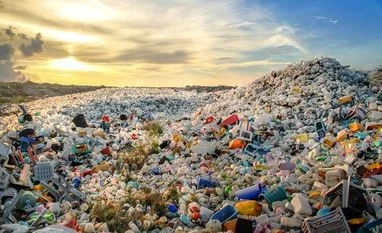 "Plastic pollution")












 Connect with us on WhatsApp