Time for govt to walk the talk on self-reliant India

The world will closely watch how India copes with the spread of Covid-19, particularly the different types of restrictions that states impose

Indian economy, leader, politician, PM, leadership
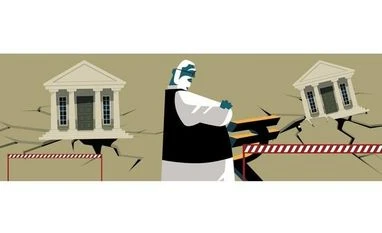
illustration: Binay Sinha
TNC Rajagopalan
3 min read Last Updated : Jul 12 2020 | 10:41 PM IST
Last week, Prime Minister Narendra Modi told a global audience that ‘Atmanirbhar India’ ('self-reliant India') does not mean being self-contained or being closed to the world but is about self-sustaining and self-generating. He assured that India will pursue practices that promote efficiency, equity, and resilience. His audience will evaluate those words by the policies and actions that help Indian businesses become globally competitive.

A few weeks back, hardly anyone had heard the word 'atmanirbhar'. The PM surprised many by invoking 'atmanirbhar' as the only way to effectively combat the Covid-19 pandemic. Soon enough, his ministers, bureaucrats, party functionaries, and even sections of media and businessmen started talking of 'atmanirbhar' at every opportunity. The word started getting more traction after the Chinese incursions at the Ladakh borders that gave rise to calls for reducing our dependence on imports from China. The immediate fallout is delays in Customs clearance of the consignments imported from China at some entry points.

The government banned 59 Chinese apps, cancelled contracts of Chinese firms with the Railways, barred the participation of Chinese companies in highway contracts and tenders of state-owned telecommunication companies, and took fresh Chinese investments out of automatic approval list and placed them on government approval list. Now, there are efforts to force e-commerce companies to label country of origin and delay Chinese imports coming in through couriers. These measures have gone down well with sections of public in India but businesses involved in cross-border trade and investments may see these as contrary to the claims that India remains one of the most open economies in the world.

The world will closely watch how India copes with the spread of Covid-19, particularly the different types of restrictions that states impose. The PM talked of the contribution of the pharmaceutical industry in helping the world cope with the pandemic. India is ready to do whatever it can to further global good, he said.

A day earlier, his government had banned the exports of personal protection equipments — a recognition that the numbers of confirmed cases in various states are going up and so these items are required in India. The ban covered medical coveralls, medical goggles, masks, gloves, and face shields.

Meanwhile, domestic manufacturers of test kits are baffled at zero duty imports and ban on export of kits. They want domestic quota, price preference in tenders, and freedom to export surplus stock.

The prime minister talked about revival of the Indian economy after the prolonged total and then partial lockdown in the past few months. Astute businessmen will wait a little longer than go by the current indications before taking a call on their investments. The principal economic advisor in the finance ministry said measures to boost demand would be taken soon as enough fiscal and monetary headroom is available. How the economy responds to fresh stimulus to revive demand will have greater bearing on the responses of the businesses.

As usual, the PM exuded lot of positivity when he outlined the reformist steps taken and talked of rolling out a red carpet for all global companies to establish their presence in India. He needs to dispel the impression that there is a mismatch between his words and his government’s actions.

email : tncrajagopalan@gmail.com

One subscription. Two world-class reads.

Already subscribed? Log in

Subscribe to read the full story →
*Subscribe to Business Standard digital and get complimentary access to The New York Times

Smart Quarterly

₹900

3 Months

₹300/Month

SAVE 25%

Smart Essential

₹2,700

1 Year

₹225/Month

SAVE 46%
*Complimentary New York Times access for the 2nd year will be given after 12 months

Super Saver

₹3,900

2 Years

₹162/Month

Subscribe

Renews automatically, cancel anytime

Here’s what’s included in our digital subscription plans

Exclusive premium stories online

  • Over 30 premium stories daily, handpicked by our editors

Complimentary Access to The New York Times

  • News, Games, Cooking, Audio, Wirecutter & The Athletic

Business Standard Epaper

  • Digital replica of our daily newspaper — with options to read, save, and share

Curated Newsletters

  • Insights on markets, finance, politics, tech, and more delivered to your inbox

Market Analysis & Investment Insights

  • In-depth market analysis & insights with access to The Smart Investor

Archives

  • Repository of articles and publications dating back to 1997

Ad-free Reading

  • Uninterrupted reading experience with no advertisements

Seamless Access Across All Devices

  • Access Business Standard across devices — mobile, tablet, or PC, via web or app

More From This Section

Disclaimer: These are personal views of the writer. They do not necessarily reflect the opinion of www.business-standard.com or the Business Standard newspaper

Topics :Narendra ModiIndian EconomyIndia china trade

Next Story




