
Cement output grows 6.3% to 280 mn tonnes in FY18 on improved demand: Icra
It also said that going by the prevalent trend, the growth momentum is expected to continue in the current financial year
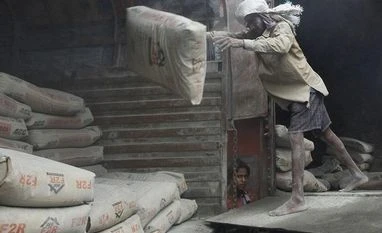 "Cement output grows 6.3% to 280 mn tonnes in FY18 on improved demand: Icra")
WebinarsNew
Deep DiveNew
Explore Business Standard
It also said that going by the prevalent trend, the growth momentum is expected to continue in the current financial year
Buoyed by improving demand, domestic cement output grew 6.3 per cent to 298 million tonne (MT) in 2017-18, according to credit rating firm Icra.
It also said that going by the prevalent trend, the growth momentum is expected to continue in the current financial year and the industry is likely to report a growth of 6 per cent.
"In 2017-2018, cement production registered a growth of 6.3 per cent at 298 MT, as compared to 280 MT in 2016-2017, with the bulk of growth reported during the second half of FY'18," Icra said in a report.
"This was largely because of better demand in the key markets and the base effect of the demonetisation-driven low demand during the corresponding period of last year," it added.
Senior Vice President & Group Head, Icra Ratings, Sabyasachi Majumdar said: We expect the cement demand to show a growth of around 6 per cent in FY 2018-2019. This is primarily driven by a pick-up in the affordable and rural housing segments and infrastructure primarily road and irrigation projects.
"The budget of FY'19 also provides support in this direction with higher rural credit, increased allocation for rural, agricultural and allied sectors along with continued focus on the PMAY and infrastructure investments.
He further said the cement production increased by 10.6 per cent and 18.2 per cent respectively in the third and fourth quarter of 2017-18.
The trend was supported by demand in Andhra Pradesh and Telangana, driven by irrigation, low-cost housing and infrastructure projects.
"In the eastern (except Bihar), driven by low cost housing and infrastructure demand) and western Indian markets (led by execution of infrastructure projects). Rural housing saw a pick-up, post monsoons, due to the improvement in the rural economy following normal monsoons. Sand unavailability also continued to impact demand in Rajasthan and Bihar," Majumdar said.
In April 2018, rising demand resulted in an increase in cement prices in the Ahmedabad and Hyderabad markets by Rs 20/ a bag and Rs 10/a bag, respectively in April 2018 on an month-on-month basis. However, rising supplies resulted in prices remaining range-bound in the Kolkata market, he said.
(Only the headline and picture of this report may have been reworked by the Business Standard staff; the rest of the content is auto-generated from a syndicated feed.)
First Published: May 30 2018 | 5:59 PM IST


 Connect with us on WhatsApp