
CIC pulls up Reserve Bank for non-disclosure of demonetisation records
Section 8 (1) (a) of the RTI Act exempts from disclosure the information which would prejudicially affect the sovereignty and integrity of India
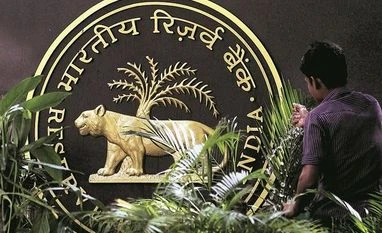 "CIC pulls up Reserve Bank for non-disclosure of demonetisation records")
WebinarsNew
Deep DiveNew
Explore Business Standard
Section 8 (1) (a) of the RTI Act exempts from disclosure the information which would prejudicially affect the sovereignty and integrity of India
The Central Information Commission has pulled up the Reserve Bank of India for "perfunctory handling" of an RTI application seeking records of its board meetings where the issue of demonetisation was deliberated, and issued a show-cause notice to its Central Public Information Officer.
Activist Venkatesh Nayak had sought records of all meetings of the RBI Central Board of Directors along with the papers, presentations or other documents placed before it, which led to the decision of demonetisation announced by Prime Minister Narendra Modi on November 8, 2016.
Not getting any information from the RBI, which cited an exemption clause to deny the records, Nayak approached the commission, the highest adjudicating body in matters pertaining to the Right to Information (RTI) Act.
Prime Minister Narendra Modi had announced on November 8, 2016 that Rs 1,000 and Rs 500 notes, which constituted about 86 per cent of total currency in circulation then, would cease to be legal tender.
They were replaced by new Rs 2,000 and Rs 500 notes. Several restrictions were also placed on the withdrawal of currency notes from banks during demonetisation.
The petitioner told Information Commissioner Suresh Chandra that the information is not exempted under section 8 (1) (a) of the RTI Act as claimed by the CPIO.
The section exempts from disclosure the information which would prejudicially affect the sovereignty and integrity of India, the security, strategic, scientific or economic interests of the State, relation with foreign State or lead to incitement of an offence.
During the hearing, nearly 15 months after the RTI application was filed, the RBI's representative accepted that the information "prima facie was wrongly denied".
He further explained that considering the requests of the citizens after the instant RTI application was filed by the appellant and several rulings of the courts as well as this commission, they are ready and willing to provide the minutes of the meetings, Chandra noted.
"The commission takes a serious view of the perfunctory handling of RTI application and absence of CPIO, during hearing and he is advised to attend the next date of hearing to explain as to why penalty should not be imposed on him," Chandra said.
He also said the CPIO should submit his written submissions and arguments before the next date of hearing.
First Published: Feb 18 2019 | 7:20 PM IST


 Connect with us on WhatsApp