Drinking tea, red wine may protect against flu: Study
A compound found in these beverages can boost the immune system
Press Trust of India Washington Drinking tea and wine may help prevent influenza, as a compound found in these beverages can boost the immune system, scientists say.
Researchers at Washington University in the US found that a particular gut microbe can prevent severe flu infections in mice, by breaking down naturally occurring compounds called flavonoids.
This strategy is effective in staving off severe damage from flu when the interaction occurs prior to infection with the influenza virus, researchers said.
Microbes that live in the gut do not just digest food. They also have far-reaching effects on the immune system, they said.
"For years, flavonoids have been thought to have protective properties that help regulate the immune system to fight infections," said Ashley Steed, from St Louis Children's Hospital in the US.
"Flavonoids are common in our diets, so an important implication of our study is that it is possible flavonoids work with gut microbes to protect us from flu and other viral infections," Steed said.
Flavonoids are commonly found in black tea, red wine and blueberries.
Previous studies found that the gut microbiome may be important in protecting against severe influenza infections, so in this study, researchers aimed to identify just what gut microbes might provide that protection.
It is not only having a diet rich in flavonoids, our results show you also need the right microbes in the intestine to use those flavonoids to control the immune response, researchers said.
"We were able to identify at least one type of bacteria that uses these dietary compounds to boost interferon, a signalling molecule that aids the immune response," said Thaddeus Stappenbeck, from University of Washington.
"This prevented influenza-related lung damage in the mice. It is this kind of damage that often causes significant complications such as pneumonia in people," Stappenbeck added.
The study was published in the journal Science.
(Only the headline and picture of this report may have been reworked by the Business Standard staff; the rest of the content is auto-generated from a syndicated feed.)

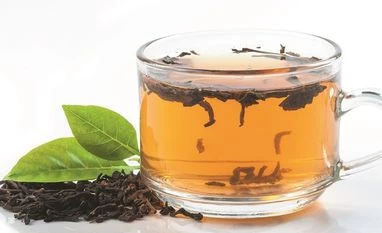 "Drinking tea, red wine may protect against flu: Study")


 Connect with us on WhatsApp