Money has lost anonymity post demonetisation: Arun Jaitley
Jaitley said demonetisation required both courage and stamina
Press Trust of India New Delhi With doubts being raised about demonetisation eliminating black money, Finance Minister Arun Jaitley today said colour of funds has not changed by merely depositing them in banks as the money has now lost its 'anonymity' and can be identified with the owner.
In a Facebook post titled 'Demonetisation -- A look back at the last two months', he also said the period of pain and inconveniences is getting over and the economic activity is being restored.
Large amount of cash with banks will lead to lower interest rates, he further said.
"When 86 per cent of a country's currency, constituting 12.2 per cent of its GDP, is squeezed out of the market and sought to be replaced by a new currency, there would obviously be significant consequences of that decision," he said, adding that the queues outside the banks have disappeared and remonetisation has moved ahead.
"The period of pain and inconveniences is getting over. Economic activity is being restored," he said.
Jaitley said demonetisation required both courage and stamina. "The implementation of the decision carried pain. It can lead to short-term criticism and inconveniences. Drop in economic activity on account of the currency squeeze during the remonetisation period would have a transient impact on the economy."
"The fact that large quantum of high denominational currency has been deposited with the banks does not render this money to be legitimate cash. Black money does not change its colour merely because it is deposited in bank. On the contrary, it loses its anonymity and can now be identified with its owner," he said.
The comments follow reports about an estimated 97 per cent of junked notes getting deposited in bank accounts, thus casting doubts on the effectiveness of demonetisation move in checking the black money menace.
The Revenue Department, he said, would be entitled to tax this money. "In any case, the amendment to the Income Tax Act itself provides that the said money, if voluntarily declared or if involuntarily detected, would be liable for differential and high rates of taxation and penalty," he said.

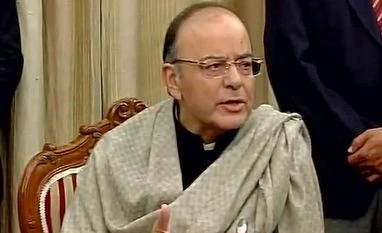 "Money has lost anonymity post demonetisation: Arun Jaitley")


 Connect with us on WhatsApp