Note ban stunningly disruptive; may yield lasting benefits: Crisil
The scrapped currency made up for 86 per cent or Rs 15 lakh crore of bank notes in circulation as on November 8
Press Trust of India New Delhi Government's demonetising Rs 500 and Rs 1,000 notes may yield lasting economic benefits but its immediate impact has been "stunningly disruptive", with cash shortages roiling business plans, Crisil said today.
It has given individuals and businesses very little time to adjust to the removal of large-denomination notes and printing of replacement notes has been slow, causing a cash crunch and drop in economic activity, Crisil said in an article published by its parent, US-based S&P Global Ratings.
"The immediate impact of demonetisation has been stunningly disruptive, with cash shortages roiling business plans and curbing individual consumption," said Crisil Chief Economist Dharmakirti Joshi.
The long-term aim of India's demonetisation policy is to improve economic and public administrative conditions by forcing black markets and cash-based sectors of the economy to operate in the formal economy, he said.
"A 'less-cash' economy will allow for better cash flow trails and stamp out black-market activities. Corruption is another drag on economic performance, and better-tracked money flows should help fight corrupt activities," he added.
Crisil said the problems of corruption and black money are deeply entrenched, and will not be magically cured with one policy action.
"The coin has been flipped, but we do not yet know on which side it will land," Joshi said.
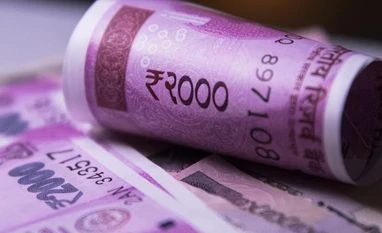
Prime Minister Narendra Modi had on November 8 announced junking of old Rs 500 and Rs 1,000 notes, and replaced the currency with new Rs 2,000 and Rs 500 notes.
Along with demonetisation, restrictions were placed on bank counter as well as ATM withdrawals. The withdrawal limit from banks is Rs 24,000 a week, including a maximum of Rs 2,500 from ATMs per day.
The scrapped currency made up for 86 per cent or Rs 15 lakh crore of bank notes in circulation as on November 8.

 "Note ban stunningly disruptive; may yield lasting benefits: Crisil")


 Connect with us on WhatsApp