RBI goes for security upgrade for note storage, transportation
Soiled and not fit for circulation notes are withdrawn by banks and deposited in the chests
Press Trust of India New Delhi The Reserve Bank of India (RBI) has initiated an exercise of upgrading measures for secured storage and movement of currency at more than 4,000 chests across the country in view of the heightened threat perception.
In recent times, several instances of looting cash vans and banks, as well as ATMs dispensing fake currency notes have been reported from different parts of the country.
The RBI has constituted a high-level committee on currency storage and movement (HLCCSM) to review the existing security arrangements relating to storage, movement and processing of currency.
The cental bank is now seeking global expertise to assist the Committee in matters relating to security aspects, movement and storage of currency, automation of currency processing and handling.
Expression of interest from experts has been invited for “identifying international best practices in movement, modes of transport, storage systems and processing of currency notes from the point of view of security, process efficiency and cost efficiency”. The selected expert will also help the panel in devising a standard operating procedure for movement of currency. HLCCSM was set up in the context of “changes in security environment”, availability of technological tools and aids to enhance security, superior and more secure modes of transport and increasing volumes of currency.
The bank notes printed at four security presses and coins minted are received at 19 issue offices of RBI from where these are further distributed to over 4,000 currency chests operated by banks. The soiled and not fit for circulation notes are withdrawn by banks and deposited in the chests. The old Rs 500/1000 notes which were deposited by public in banks following demonetisation too were deposited in the chests.
On the day of demonetisation (November 8, 2016) there were 17,165 million pieces of Rs 500 and 6,858 million pieces of Rs 1,000 notes.
These two types of notes amounted to about 87 per cent of the total currency in circulation.
As part part of remonetisation, the RBI (till March 3, 2017) had injected Rs 9.26 lakh crore into the system, thus taking the total notes in circulation to Rs 11.73 lakh crore.

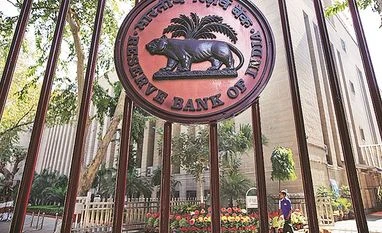 "RBI goes for security upgrade for note storage, transportation")


 Connect with us on WhatsApp