Rival Ukraine rallies raise tensions as Crimea crisis deepens
Protests come after new marathon round of phone calls by US President Barack Obama seeking to defuse Cold War-style standoff in ex-Soviet state
AFPPTI Kiev Thousands took to the streets for rival pro- and anti-Kremlin rallies across Ukraine today as the West and Moscow dug in their heels over a deepening crisis in Crimea.
The protests come after a new marathon round of phone calls by US President Barack Obama seeking to defuse the Cold War-style standoff in the ex-Soviet state.
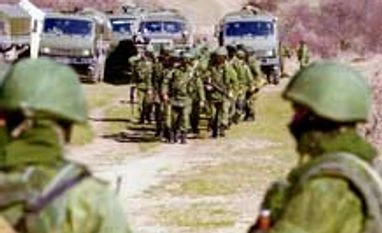
Tensions in Ukraine's Black Sea peninsula of Crimea, which has come under de facto control by Russian forces, have resulted in a new face-off between Russia and the West, with each side imposing sanctions or warning of further prohibitive measures to force the other to back down.
Foreign observers have failed to get into Crimea, a majority Russophone region of Ukraine, to get a first-hand look at the situation on the ground and were forced to turn back yesterday after pro-Kremlin gunmen fired warning shots.
Ukrainian border guards said Saturday that about 60 Russian military lorries had entered the rugged peninsula of two million in the last 24 hours by land and sea, a sign that Moscow was far from pulling back.
They also said "Russian extremists" had attacked a Crimea radar post, in the latest move by pro-Russian forces who have surrounded Ukrainian military bases and taken at least one missile defence unit.
"Armed attackers in military uniform and civil clothes broke the door and entered the building. Radio technic units and telecommunication cables were dissembled and destroyed," the border guards said in a statement in English on their website.
Today marks the 200th anniversary of the birth of Ukrainian poet Taras Shevchenko and patriotic rallies were planned in Kiev and -- in a show of defiance towards Russia -- in Crimea's key cities of Simferopol and Sevastopol.
The rallies are also significant ahead of controversial plans by Crimea's regional pro-Moscow government to hold a referendum on joining Russia on March 16, which could lead to a formal annexation of the territory.
In the eastern city of Donetsk, a former stronghold of Ukraine's ousted president Viktor Yanukovych and the site of regular protests in recent days, there were fears of clashes as pro-Kiev demonstrators planned to celebrate Shevchenko, while pro-Russian protesters were due to hold a counter-rally.
The 19th-century poet has been credited with creating the modern Ukrainian language and the idea of Ukraine as a nation, giving the new Wester-backed government in Kiev a powerful opportunity on Sunday to revive some nationalist fervour in the face of Russia's incursion.
Late yesterday, Obama made a fresh round of phone calls to key European allies in the latest diplomatic attempts to resolve the Ukrainian crisis, which began with Yanukovych's ouster last month after three months of protests that left some 100 dead.

 "Rival Ukraine rallies raise tensions as Crimea crisis deepens")


 Connect with us on WhatsApp