With combatants fighting in neighbourhoods and Saudi-led coalition warplanes pounding Iran-backed rebels from the sky, Yemen's war is wreaking a particularly bloody toll among civilians: more than 550 have been killed in the past month, including 115 children, the UN has said.
Amnesty International said in a new report that some of the airstrikes it examined in the capital of Sanaa and four other cities raise "concerns about compliance with international law," saying they appeared to have failed to take precautions to avoid civilian casualties.
The air campaign that began March 26 "has transformed many parts of Yemen into a dangerous place for civilians," the report said. "Millions of people have been forced to live in a state of utter terror, afraid of being killed in their homes." It said about 150,000 people have fled their homes the past month.
So far, relatively muted criticism from world leaders has been unable to force an end to the violence in the Arab world's poorest country. More civilian areas were hit Friday by warplanes, including a stadium in the southern town of Zinjibar and a courthouse in the town of Lahj, witnesses said. Casualties were not immediately known.
Saudi Arabia leads a coalition of other Gulf countries, Egypt and Sudan, in the campaign against Iranian-allied Shiite rebels, known as Houthis, who have taken over much of Yemen.
The Sunni Arab countries in the coalition and its Western supporters say the Houthis get their arms from Shiite powerhouse Iran. Tehran and the rebels deny that, although the Islamic Republic has given political and humanitarian support to the Shiite group.
The Houthis are allied with military units loyal to former President Ali Abdullah Saleh against the coalition and the forces of President Abed Rabbo Mansour Hadi. Although Hadi is the internationally recognized leader, he was forced to flee his southern stronghold of Aden last month as the Houthis advanced toward the port, and he is now in the Saudi capital of Riyadh.
Yesterday, Saleh urged the Shiite rebels to comply with a UN resolution that obligates them to withdraw from the cities they occupy so that peace talks can begin. But military units loyal to him also are on the front lines fighting alongside the Houthis, and Saleh made no mention of them ceasing fire.
Saleh, a staunch US ally, made a veiled accusation that Hadi was allied with Yemen's active and dangerous al-Qaida branch, saying that "all militias, al-Qaida, and armed men affiliated to Hadi should withdraw from all provinces.

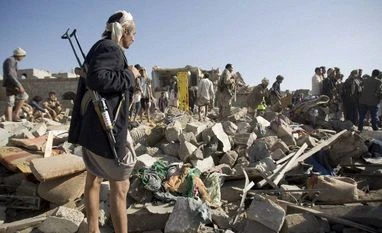 "High civilian toll in Yemen conflict; at least 550 dead: UN")


