
Oil prices stable as ongoing Opec cuts countered by rising US rig drilling
Rising US output threatens to undermine efforts to support prices by withholding supplies
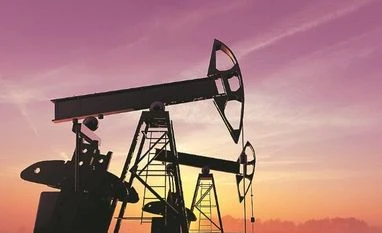 "Oil prices stable as ongoing Opec cuts countered by rising US rig drilling")
WebinarsNew
Deep DiveNew
Explore Business Standard
Rising US output threatens to undermine efforts to support prices by withholding supplies
Oil markets were stable on Monday as ongoing output cuts led by Opec were countered by rising US drilling activity that points to a further increase in American production.
US West Texas Intermediate (WTI) crude futures were at $57.32 a barrel at 0749 GMT, down 4 cents from their last settlement.
Brent crude futures, the international benchmark for oil prices, were unchanged at $63.40 a barrel.
Crude prices have gained well over a third in value from their 2017 lows, largely due to production cuts by the Organization of the Petroleum Exporting Countries (Opec) and a group of non-Opec producers, including Russia, which have been in place since the start of the year.
But analysts said that the effect of these cuts could be undermined by rising output from the United States, which is not participating in the deal to voluntarily withhold production.
"The largest concern for investors currently remains the rise in the US rig count, which could potentially jeopardise the Opec and Russian agreement when they meet for a review in June 2018," said Shane Chanel, equities and derivatives adviser at ASR Wealth Advisers.
The number of rigs drilling for new oil output in the United States rose by two in the week to Dec. 8, to 751, the highest level since September, General Electric Co's Baker Hughes energy services firm said on Friday.
A higher rig count points to a further rise in US crude production, which is already up by more than 15 per cent since mid-2016 to 9.71 million barrels per day (bpd).
That's the highest level since the early 1970s, and close to levels from top producers Russia and Saudi Arabia.
Rising US output threatens to undermine efforts to support prices by withholding supplies.
Opec and its allies started withholding supplies last January, and a decision was announced in late November to continue doing so throughout 2018.
Some uncertainty remains over how suddenly the group will increase output once the voluntary restraint ends.
Kuwait's oil minister said on Sunday that Opec and other oil producers will study before June the possibility of an exit strategy from the global oil supply-cut agreement.
Meanwhile, The United Arab Emirates energy minister Suhail said on Monday that Opec and non-Opec oil producers plan to announce in June an exit strategy from the cuts.
First Published: Dec 11 2017 | 2:44 PM IST


 Connect with us on WhatsApp