
RBI signals end to rate cuts as inflation risks rise
Downplays note ban impact, changes policy stance to 'neutral' from 'accommodative'; bond yields soar
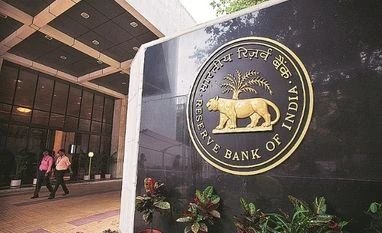 "RBI signals end to rate cuts as inflation risks rise")
WebinarsNew
Deep DiveNew
Explore Business Standard
Downplays note ban impact, changes policy stance to 'neutral' from 'accommodative'; bond yields soar
The central bank also said it was changing its policy stance to "neutral" from "accommodative", surprising financial markets and sending bond prices sharply lower on fears that it is signalling its current rate-cutting cycle is over.
The RBI monetary policy committee voted 6-0 to keep the repo rate at 6.25 per cent, marking its third straight unanimous decision since being established in September.
A Reuters poll last week showed 28 of 46 participants had expected the RBI to cut the rate by 25 basis points (bps) to its lowest since November 2010. Analysts had warned it could be a close call but the change in stance jolted investors.
"It's a big surprise to us. It looks like going ahead, there are no chances of further rate reductions," said Anjali Verma, an economist with PhillipCapital India, adding that the central bank's view on inflation was more hawkish than markets expected.
Benchmark 10-year bond yields rose by as much as 26 bps, while share prices ended largely flat on the day and the rupee rose slightly.
"Rate hikes will come onto the agenda much sooner than is generally anticipated," Capital Economics said in a note after Wednesday's policy shift.
No room to cut?
Many analysts had believed the RBI had room to cut rates again, given inflation fell to a two-year low of 3.41 per cent in December, below the central bank's medium-term target of four per cent.
But the RBI said the fall was largely on the back of a decline in volatile food prices, while arguing it wanted to ensure it brought inflation closer to four per cent "on a durable basis and in a calibrated manner".
The RBI also sought to play down concerns about the impact from Prime Minister Narendra Modi's crackdown on unaccounted cash, or "black money," by stating it expected growth to "recover sharply" in the fiscal year starting in April.
Modi's action, announced in November, sparked a severe shortage of money that sent shockwaves through the cash-reliant economy, though the situation has improved in recent weeks.
"The committee decided to change the stance from accommodative to neutral while keeping the policy rate on hold to assess how the transitory effects of demonetisation on inflation and the output gap play out," said the RBI in a statement.
The RBI also saw reduced need for additional rate cuts as banks have substantially slashed their lending rates this year after receiving a surge in deposits of old banknotes.
And it said it needed more time to gauge the impact of global risks on the rupee, which fell more than two per cent against the dollar last year as expectations of higher US interest rates triggered a flood of capital outflows from emerging markets.
India's central bank cut interest rates by a total of 175 bps from January 2015 to October 2016, starting with previous Governor Raghuram Rajan and continuing under Urjit Patel.
The cycle has helped power an economy growing at one of the fastest paces in the world, but below levels needed to create full employment.
The central bank lowered its gross-value added, a measure of growth it prefers, to 6.9 per cent from 7.1 per cent at its last policy review, but private economists warned it was still too optimistic.
"It's quite disappointing that RBI has come out with a strongly hawkish policy at a time when growth slowdown has become very acute in the aftermath of demonetisation," said Rupa Rege Nitsure, group chief economist at L&T Financial.
First Published: Feb 08 2017 | 4:20 PM IST


 Connect with us on WhatsApp