
Takata will change design for certain air bag inflators
The supplier is at the centre of a global recall of tens of millions of cars for potentially deadly air bag inflators
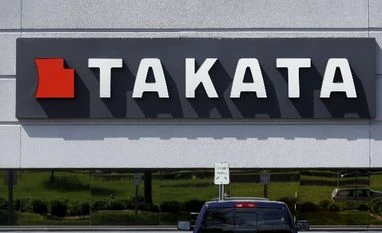 "Takata will change design for certain air bag inflators")
WebinarsNew
Deep DiveNew
Explore Business Standard
The supplier is at the centre of a global recall of tens of millions of cars for potentially deadly air bag inflators
Takata Corp said on Monday that it will continue producing air bags that use ammonium nitrate propellant, but will change the design of the driver-side air bag inflators.
The Japanese supplier is at the centre of a global recall of tens of millions of cars for potentially deadly air bag inflators that could deploy with too much force and spray metal fragments inside vehicles.
In written testimony ahead of a US congressional hearing scheduled on Tuesday, Takata executive Kevin Kennedy said other companies producing replacements for potentially defective Takata inflators will not use ammonium nitrate.
Kennedy said Takata is working with automakers "to transition to newer versions of driver inflators in our replacement kits or inflators made by other suppliers that do not contain ammonium nitrate."
A Takata spokesman added that replacement inflators made by Takata will continue to use ammonium nitrate, "which is safe and effective for use in air bag inflators when properly engineered and manufactured."
Lawmakers, some plaintiffs' attorneys and former Takata employees have raised questions about the volatility and safety of ammonium nitrate. Takata is the only major air bag supplier using ammonium nitrate in its inflators.
Defective inflators have been linked to six deaths and hundreds of injuries since 2003.
Takata also said it was "confident" that replacement driver-side inflators with ammonium nitrate already installed in owners' cars are safe, although it plans to replace those replacement parts with newer designs.
In documents filed in May with the National Highway Traffic Safety Administration, Takata said propellant wafers in driver-side inflators installed on 17.6 million U.S. vehicles "may experience an alteration over time" which could lead to "over-aggressive combustion," particularly when exposed to "high absolute humidity."
The air bags in all of the recalled vehicles use ammonium nitrate, a relatively inexpensive and cleaner-burning compound than other chemicals - but one that can be highly volatile, especially when exposed to moisture, according to industry officials and chemists.
In interviews earlier this year with Reuters, Mark Lillie, a retired chemical engineer who left Takata in 1999, said he raised concerns with the company about the safety of ammonium nitrate.
"I literally said if we go forward with this, someone will be killed," said Lillie, who also has spoken with congressional investigators.
Discovery of a root cause of Takata's air bag problems "is not imminent," according to David Kelly, head of an automakers' coalition investigating Takata air bag inflator ruptures. Kelly told Reuters last month that if a root cause cannot be found, "we may have this same discussion again" years from now.
First Published: Jun 02 2015 | 3:26 AM IST


 Connect with us on WhatsApp