MoEF restrictions force Ankleshwar SMEs to take up job work
According to industry players, the moratorium has raised concerns about SMEs' survival
Rutam Vora Vadodara With a moratorium on expansions and new projects having been imposed by the Union ministry of environment and forests (MoEF) in the Ankleshwar region of Gujarat, small and medium enterprises (SMEs) in the area have started exploring options such as taking on job work from large players and tie-ups for manufacturing.
Ankleshwar is one of 18 critically polluted industrial regions in the country, where the ministry has imposed a moratorium on expansions and new projects. Many large players have therefore started depending on smaller players to meet their production requirements.
"Some small pharma companies have taken on outsourced work from large players. In a situation of a moratorium on expansion, this is beneficial to both of them," said Mahesh Patel of Agro Chem Industries in Ankleshwar.
However, small companies can take up job work only if there is consent from the state pollution regulator, Gujarat Pollution Control Board (GPCB). "Mostly, pharma intermediate players do such job work. There are around 20-25 such companies which do such outsourced work," said Suresh Joshi of Parimal Industries.
Some dyes and plastics companies too have received orders from large players. "It is possible only when the small players have spare capacity and requisite approval from the pollution regulator for effluent discharge," said an official of a leading dyes maker.
According to industry players, the moratorium - which has been in force for over two years - has raised concerns about SMEs' survival. "There is no point in talking of growth. With no expansion and no new investments, surviving in the current situation has become a big concern," said Jayantibhai Patel, chairman and managing director, Meghmani Organics Ltd.
The costs of water, power, labour and raw material continue to surge, but without expansion, companies find it difficult to increase their sales, or improve on margins. "Every company has to expand at least by 5-10 per cent annually to grow sales and maintain margins. But that is not happening here," said an industry expert.
The Ankleshwar and neighbouring Panoli industrial zones together house some 1,500 SMEs in the chemicals, dyes, pharmaceuticals, plastics and engineering industries. The entire region was put under the critically polluted zones category in 2010 by the MoEF.
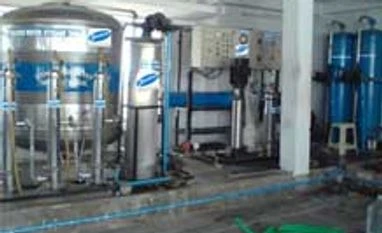
Ankleshwar Industries Association (AIA) officials noted that industries have taken several measures, including the setting up of a multi-effect evaporation plant, recycling of waste water and installation of reverse osmosis (RO) plants at the respective units for zero discharge, in a bid to have the 'critically polluted zone' tag withdrawn.
"Industries are making a serious attempt to put the critically polluted status behind them. All the units put together have invested around Rs 350 crore in environment management systems," said an official of GPCB - Ankleshwar region.

 "MoEF restrictions force Ankleshwar SMEs to take up job work")


 Connect with us on WhatsApp