Goenka, CVC Capital's bids for IPL teams point to profitable opportunities

So, clearly, the two new players have a lot of options to be the winners
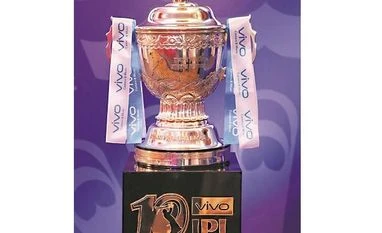
IPL, Indian Premier League
Last week, Kolkata-based RP-Sanjiv Goenka group made an audacious winning bid for one of the two new franchises that will be added to the T20 tournament from 2022.
Surajeet Das Gupta New Delhi
6 min read Last Updated : Nov 01 2021 | 6:10 AM IST
If you thought buying an English Premier League (EPL) football team was far more expensive than investing in a cricket team in the Indian Premier League (IPL), think again.

Last week, Kolkata-based RP-Sanjiv Goenka group made an audacious winning bid for one of the two new franchises that will be added to the T20 tournament from 2022.  

At Rs 7,090 crore or $946 million for the Lucknow franchise, Goenka paid more than double of what a consortium led by Saudi Arabia’s sovereign fund forked out a few weeks ago for Newcastle United, which currently sits second-last on the EPL points table, at $410 million or roughly Rs 3,075 crore at current exchange rates.

Sportico.com, which tracks team finances, said an average EPL team is currently valued at $1.2 billion, pretty close to Goenka’s payout for an untried team, and far higher than the valuation of, say, a top-flight EPL team such as 2015-16 league champions Leicester City ($475 million).

The second franchise, Ahmedabad, was grabbed at a hefty price tag by Luxembourg-based private equity player CVC Capital Partners for Rs 5,625 crore. Both owners together paid three to four times what non-banking finance company Sahara had paid for the Pune team in 2010, and far more than the Rs 2,000 crore base price.  

So can the two new owners make money? Like the other eight teams, most of which make profits, that would depend heavily on the value of media rights (digital and broadcasting) that are currently with Star India, which Disney acquired as part of a global acquisition in 2019, but is to come up for renewal in 2023. “Unless the media rights go up 2.5 times in the new bid in 2022, the first five years will be a big loss,” said a founder of a company that had considered bidding.

IPL revenues for the Board of Control for Cricket in India (BCCI), which owns the tournament, consist of media rights and sponsorships. The cricket body keeps half and the rest is divided equally among ten teams (earlier eight). This assured income accounts for nearly three-fourths of a franchisee’s revenue; the rest comes from team sponsors, ground ticket sales, and from selling branded products and prize money. Many franchisees, such as Kolkata Knight Riders, owned by a consortium that includes actors Shah Rukh Khan and Juhi Chawla, and champions in 2012 and 2014, try to ensure that their own revenue streams become equal to that of the share from central revenues.  

Currently, each team earns around Rs 201.6 crore annually through media rights (Star’s winning bid was Rs 16,347 crore for five years). If media rights rise 2.5 times, team revenues could jump to Rs 408 crore annually, including the two new teams. Overall, franchisees say current average revenues at Rs 300-400 crore (which includes Rs 35 crore from central revenue sponsorship) could go up to Rs 500-600 crore.  

The two new teams have to pay the acquisition cost over ten years, after which only a licence fee kicks in. So Goenka will need to spend Rs 825-850 crore annually (Rs 709 crore each year as the instalment for buying the team plus an estimated Rs 85 crore budget for hiring players and other miscellaneous costs such as travel, coaches and so on). The number would be much lower for CVC because its bid was lower.      

But the gap can be bridged in the next five to ten years with growing revenues. Apart from an anticipated bump in media rights, central sponsorships (Rs 708 crore last year) are also expected to see a two- to four-fold increase because more matches will be played (from 60 to 74 to accommodate the new teams). Plus, many of these rights will come for rebidding.

These numbers are not pies in the sky. In 2018, mobile phone brand Vivo grabbed the title sponsorship rights for a staggering Rs 2,500 crore for five years, more than six times what PepsiCo had paid earlier. The anticipation that the money from media rights will skyrocket is based on two things. One, that Star paid more than four times what Sony had paid in 2013. Two, hot competition is expected with new players in the ring — apart from Star-Disney and Sony, Reliance through Viacom18 (which has hired a sports head), Amazon Prime (officially no comment) and global PE players who invest in the sports business are expected to join.

Clearly the entry of CVC, the first PE firm to wholly own an IPL team, is a reflection of the growing interest in cricket as a profitable business, beyond just conglomerates and high net worth individuals. PE players have had their tryst with cricket in the past. In 2008, ICICI Venture made an aborted attempt to buy a minority stake in Kings XI Punjab, but the valuation was too high. Insiders say the asset management company is considering a special purpose vehicle for sports, media and entertainment assets with a possible listing down the line. Meanwhile, New Zealand-based venture capitalist Red Bird Capital bought a 15 per cent in Rajasthan Royals in June this year, valuing the franchise at $250 million, three times its 2008 valuation.

Valuations for the older teams have gone up because all of them have completed their annual payouts, taking the sting out of expenses. So steel major JSW, for instance, bought a 50 per cent stake in Delhi Capitals from infrastructure conglomerate GMR for Rs 550 crore, valuing the company at nearly three times the original payout of Rs 330 crore. And CSK, the most successful team in terms of winning the IPL, could well become the first cricket unicorn.

But valuations in sports is a tricky game, much more, say, than those in the world of tech start-ups. As the top executive of a PE fund pointed out, “Franchise valuations in IPL teams do stay ahead of cash flows like start-ups but they might change season to season and depend on different parameters, such as winnability, consistency of performance, team players and so on. It is not related to scale or, say, reaching larger audiences who will use your service. And the number of buyers, unlike for start-ups, is limited.” But he agrees that it also attracts mavericks for whom owning a team is related to vanity and not money. So, clearly, the two new players have a lot of options to be the winners.

One subscription. Two world-class reads.

Already subscribed? Log in

Subscribe to read the full story →
*Subscribe to Business Standard digital and get complimentary access to The New York Times

Smart Quarterly

₹900

3 Months

₹300/Month

SAVE 25%

Smart Essential

₹2,700

1 Year

₹225/Month

SAVE 46%
*Complimentary New York Times access for the 2nd year will be given after 12 months

Super Saver

₹3,900

2 Years

₹162/Month

Subscribe

Renews automatically, cancel anytime

Here’s what’s included in our digital subscription plans

Exclusive premium stories online

  • Over 30 premium stories daily, handpicked by our editors

Complimentary Access to The New York Times

  • News, Games, Cooking, Audio, Wirecutter & The Athletic

Business Standard Epaper

  • Digital replica of our daily newspaper — with options to read, save, and share

Curated Newsletters

  • Insights on markets, finance, politics, tech, and more delivered to your inbox

Market Analysis & Investment Insights

  • In-depth market analysis & insights with access to The Smart Investor

Archives

  • Repository of articles and publications dating back to 1997

Ad-free Reading

  • Uninterrupted reading experience with no advertisements

Seamless Access Across All Devices

  • Access Business Standard across devices — mobile, tablet, or PC, via web or app

Topics :English Premier LeagueIndian Premier LeagueSanjiv Goenka

Next Story


