Tokyo’s postponed Olympics is unlikely to take place even in 2021 as the coronavirus pandemic may not be fully contained around the world by then, a growing number of infectious disease experts warn.
The highly contagious virus, which has claimed more than 200,000 lives globally, will be at various stages of spread and infection in different countries by next summer, making it hard to pull off a large-scale international event, some health policy experts say. Under such a scenario, guests and athletes from more than 200 countries and regions would require extensive testing and quarantines -- a logistical process that may not be feasible.
If extensive testing and quarantining of guests are needed, that would add to the massive logistical task of rescheduling the games, which include rearranging contractors, securing venues and ensuring the multitude of stakeholder interests are aligned. At stake are billions of dollars in sponsorship money and broadcast rights.
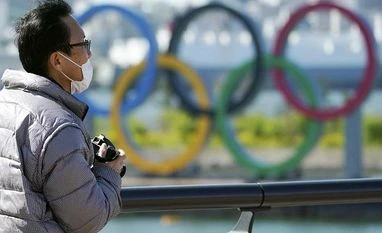
Tokyo Olympics. Photo: AP | PTI
A timely development of a vaccine would be one sliver of hope, but even that’s optimistic as it may take three years for it to reach some of the poorer countries, Niki said. While more than 100 experimental vaccines are in some stage of development, according to the WHO, it will take more than a year to ensure their effectiveness and safety, according to Sugaya. Japan’s Olympics Minister Seiko Hashimoto said Friday that the games will not hinge on the development of a vaccine, Kyodo News reported.
The games, originally scheduled to be held this summer, were postponed as the pandemic raged across the U.S. and Europe. Over 3.2 million people have been infected. While Japan is seeing some success in containing the virus after declaring a state of emergency in early April -- which is set to be extended by a month -- limited testing makes it hard to grasp the true scale of infections. Japan has about 14,000 confirmed cases, far less than some other major economies.
It’s also going to be a challenge to make the competition fair, with the virus affecting the competing nations in different ways and at different times.
“If the pandemic spikes at different times in different zones, creating a devastating staggering, it will produce an unlevel playing field for the athletes,” Rick Burton, a professor of sports management at Syracuse University, said in an e-mailed statement. “That could mean some Olympians would be cleared to resume regular training activities at different points of time. That advantage would not fit the Olympic ideal.”
— With assistance by Eben Novy-Williams, and Ayai Tomisawa

 "Tokyo's postponed Olympics unlikely to happen in 2021, virus experts say")












