How Airbnb and Uber are reacting in the face of regulatory changes

A few short years ago, it may seem unfathomable to share your personal assets via the Internet
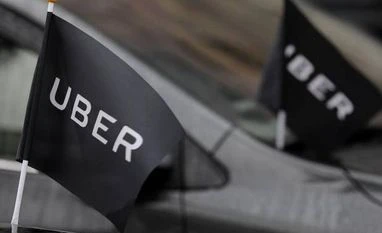
Uber
Uber drivers' cars are parked outside the Ministry of Transportation building during a protest in Taipei, Taiwan
Keerthana P | Tech in Asia
Last Updated : May 13 2017 | 6:15 PM IST
A few short years ago, it may seem unfathomable to share your personal assets via the Internet. But with the advanced technology today, it has made sharing cheaper and easier than ever. 

Over the years, the sharing economy has disrupted many industries – transportation, travel, hospitality, beauty, just to name a few. But the poster child of this phenomenon has got to be home-sharing company, Airbnb and ride-sharing giant, Uber.

Airbnb’s global success
 
Few companies have had the kind of global success similar to Airbnb. Since its birth in 2008, Airbnb has been able to grow without much real competition. Currently, with about two million listings across more than 190 countries, the San Francisco-based firm may be the most globalized among its P2P peers. Asia, in fact, is one of its fastest-growing regions. In 2015, Airbnb put together a list of the areas that have seen the greatest growth in bookings

Uber’s active growth in Asia 
 
While Uber operates in less than half the number of countries as Airbnb, the ride-sharing giant is still the most valuable startup in the United States and across the globe. In recent years, Uber’s been steadily increasing its presence in Asia – raising $2.1 billion in 2015 to power its growth in Asian countries where it faces fierce competition.

Despite their successes, stringent rules challenge the survival of businesses in the sharing economy
As consumers in Asia open up to the sharing concept, the region certainly possesses a tremendous growth potential for the rising number of startups that are using this concept to launch new and promising businesses.
This is an excerpt from the aritcle published on Tech In Asia. You can read the full article here

One subscription. Two world-class reads.

Already subscribed? Log in

Subscribe to read the full story →
*Subscribe to Business Standard digital and get complimentary access to The New York Times

Smart Quarterly

₹900

3 Months

₹300/Month

SAVE 25%

Smart Essential

₹2,700

1 Year

₹225/Month

SAVE 46%
*Complimentary New York Times access for the 2nd year will be given after 12 months

Super Saver

₹3,900

2 Years

₹162/Month

Subscribe

Renews automatically, cancel anytime

Here’s what’s included in our digital subscription plans

Exclusive premium stories online

  • Over 30 premium stories daily, handpicked by our editors

Complimentary Access to The New York Times

  • News, Games, Cooking, Audio, Wirecutter & The Athletic

Business Standard Epaper

  • Digital replica of our daily newspaper — with options to read, save, and share

Curated Newsletters

  • Insights on markets, finance, politics, tech, and more delivered to your inbox

Market Analysis & Investment Insights

  • In-depth market analysis & insights with access to The Smart Investor

Archives

  • Repository of articles and publications dating back to 1997

Ad-free Reading

  • Uninterrupted reading experience with no advertisements

Seamless Access Across All Devices

  • Access Business Standard across devices — mobile, tablet, or PC, via web or app

Next Story



