Home / World News / US vice presidential debate reinforces concerns of policy deadlock
US vice presidential debate reinforces concerns of policy deadlock
Mike Pence and his Democratic rival candidate Kamala Harris clashed over President Donald Trump's handling of the coronavirus pandemic, economic policy, law enforcement, and race relations
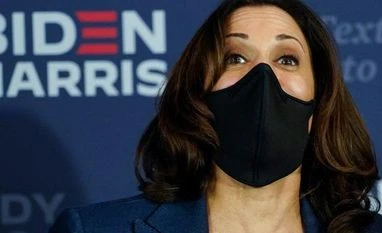
Democratic vice presidential candidate Sen. Kamala Harris
A US vice presidential debate on Wednesday reinforced expectations for a tight US election next month that could result in no clear outcome and hurt stock markets.
Republican Vice President Mike Pence and his Democratic rival candidate Kamala Harris clashed on Wednesday over President Donald Trump's handling of the coronavirus pandemic, economic policy, law enforcement, and race relations.
S&P 500 index futures rose 0.3% as the debate ended, building on earlier gains of 0.16%, but analysts say neither side emerged a clear winner. The dollar barely moved and Treasury yields held steady.
Opinion polls show support for Democratic presidential candidate Joe Biden is rising, but some investors are more sceptical and warn that the election is so close that market volatility could rise after the Nov. 3 vote.
"The race is neck and neck. Trump will dispute the results and we won't know right away," said Akira Takei, global fixed income fund manager at Asset Management One in Tokyo.
"Policy will be put on hold. The US economy will fall off a fiscal cliff due to a lack of support. Equities will become very fragile. People are on the sidelines now, but Treasury yields will eventually come down."
Biden leads Trump in national opinion polls and has an advantage of 12 percentage points in the latest Reuters/Ipsos survey of likely voters.
Bettors on British exchange Smarkets give Biden a 66% chance of winning the election, down from 68% before the debate. Trump's chances rose to 33% from 32%.
The S&P 500 has rallied 56% from its low in March when panic over the coronavirus pandemic was at its peak.
Trump tested positive for Covid-19 last week and was hospitalized for three nights but returned on Monday to the White House, where the virus has infected dozens of members of his inner circle.
If Trump makes a recovery and is healthy enough to participate in a second presidential debate next week, it could help him at the polls, said Ayako Sera, a market strategist at Sumitomo Mitsui Trust Bank in Tokyo.
Other strategists argue that if the Democrats take the White House and both chambers of Congress then fiscal stimulus will be enacted without big delays, which would support stocks and the dollar.
However, the main scenario for many is that the presidential debates will not sway US voters much, that global equities will trade in tight ranges before the election and then swing violently afterwards.
"I think this debate didn't change things very fundamentally," Gary Ng, economist at Natixis in Hong Kong.
"In Asia, people are still taking a wait and see approach, and that there will continue to be more volatility ahead of the election date."
(Only the headline and picture of this report may have been reworked by the Business Standard staff; the rest of the content is auto-generated from a syndicated feed.)

 "US vice presidential debate reinforces concerns of policy deadlock")


 Connect with us on WhatsApp