Rudi did not merely write about the rising avant-garde artists in India. He was a talent scout and mentor. He also helped some of them with financial resources. Ara was a Dalit artist. He worked as a car cleaner when Rudi first met him. That said, the politics of patronage should not be brushed under the carpet. In a quote that Ms Desai discovered during her research, Rudi confesses, “I liked the country and its people from the word go, but I now realise that my initial attitudes were very ‘sahib’, and that friendships begin when the ‘sahib’ disappears.”
The book ventures into several other aspects of Rudi’s life, including his position as the publicity and marketing director at Voltas for over two decades, his interest in Ganjifa cards, his work with stalwarts like Dr Homi Bhabha and Verghese Kurien, the women he loved, his support for Indian theatre, his fondness for the Jamali-Kamali mosque and tomb in Delhi, and his life in Paris and Vienna after he left India. Ms Desai’s commentary documenting the story of how she put together this book, how serendipity worked its magic and led her to various people and places, show that it takes a village not only to raise a child but also to birth a book.

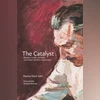 "Potrait of a German refugee who became key to India's artistic awakening")










 Connect with us on WhatsApp