Samsung strike risks India's global manufacturing ambition, warns GTRI

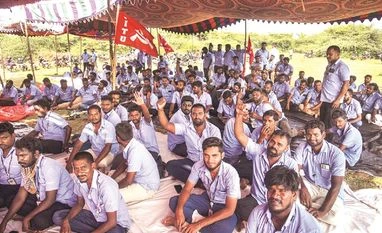
The GTRI cautioned that if the Tamil Nadu government does not act swiftly, the current situation could mirror the closure of Nokia's Sriperumbudur plant a decade ago
Samsung India
Nandini Singh New Delhi
2 min read Last Updated : Sep 24 2024 | 12:52 PM IST
India risks jeopardising its ambition to become a global manufacturing powerhouse if the ongoing labour strike at Samsung’s Sriperumbudur plant remains unresolved, the Delhi-based think tank Global Trade Research Initiative (GTRI) warned on Monday. The think tank stressed the importance of industrial intelligence units to investigate whether foreign entities are playing a role in instigating such disruptions.

The GTRI cautioned that if the Tamil Nadu government does not act swiftly, the current situation could mirror the closure of Nokia’s Sriperumbudur plant a decade ago, which led to significant job losses and shifted manufacturing dominance to China.

Tamil Nadu accounts for 34 per cent of India’s electronics exports, making it a crucial region for the country’s manufacturing sector.

The unrest is escalating and poses a serious risk to the manufacturing ecosystem in the region, which includes major players like Foxconn, Sanmina, and Flex,” GTRI Founder Ajay Srivastava was quoted as saying by The Economic Times. 

He added that the strike raises serious concerns about India’s capacity to maintain stable operations — an essential factor for both investors and multinational corporations.

GTRI cautioned that the strike poses serious threat to Tamil Nadu’s reputation as a leading electronics manufacturing hub. Prolonged delays in resolving the crisis could result in job losses, stall development, and erode investor confidence. The think tank urged both state and central governments to intervene immediately to prevent the unrest from spreading to other major manufacturers in the region.

“The timing of this strike is especially concerning as India is in the midst of reviewing its Free Trade Agreements (FTAs) with South Korea and ASEAN nations. Any escalation could have a negative impact on these negotiations,” Srivastava said.

He further emphasised the need for a fast-track dispute resolution mechanism for large firms, particularly multinational corporations (MNCs), to ensure stability in India’s manufacturing sector.
GTRI also warned that the strike could hinder India’s broader goal of becoming a global manufacturing hub. Under the Make in India initiative, the country aims to triple its electronics production to $500 billion over the next six years. However, unresolved labour unrest could severely impact this ambitious target, according to the think tank.
*Subscribe to Business Standard digital and get complimentary access to The New York Times

Smart Quarterly

₹900

3 Months

₹300/Month

SAVE 25%

Smart Essential

₹2,700

1 Year

₹225/Month

SAVE 46%
*Complimentary New York Times access for the 2nd year will be given after 12 months

Super Saver

₹3,900

2 Years

₹162/Month

Subscribe

Renews automatically, cancel anytime

Here’s what’s included in our digital subscription plans

Exclusive premium stories online

  • Over 30 premium stories daily, handpicked by our editors

Complimentary Access to The New York Times

  • News, Games, Cooking, Audio, Wirecutter & The Athletic

Business Standard Epaper

  • Digital replica of our daily newspaper — with options to read, save, and share

Curated Newsletters

  • Insights on markets, finance, politics, tech, and more delivered to your inbox

Market Analysis & Investment Insights

  • In-depth market analysis & insights with access to The Smart Investor

Archives

  • Repository of articles and publications dating back to 1997

Ad-free Reading

  • Uninterrupted reading experience with no advertisements

Seamless Access Across All Devices

  • Access Business Standard across devices — mobile, tablet, or PC, via web or app

More From This Section

Topics :SamsungStrikeIndia manufacturing growthBS Web Reports

First Published: Sep 24 2024 | 12:52 PM IST

Next Story
