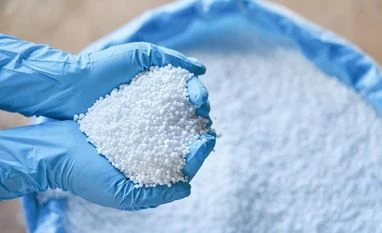
China’s move directing some fertiliser producers to suspend urea exports to address domestic concern could have a limited impact on India as far as securing supplies is concerned but could push up global prices.
This could make purchases costlier than before for India, trade and industry players said. A key reason for the limited impact of China’s decision on India is the fact that urea imports in FY24 are expected to be at least 2-3 million tonnes (mt) less than FY23 due to the extensive use of nano urea (which lowers consumption) and the commissioning of new plants that will push up domestic production.
In FY23, India imported around 8 mt of urea, of which traders said approximately 15-17 per cent came from China, while the rest was sourced from other parts of the country. Using the FY23 benchmark, if in FY24, the total urea imported in India is around 5 mt, China’s share should be somewhere around 0.8-1.0 mt.
Of this, market sources said around 0.2-0.3 mt had already come from China since April. The remaining quantities are in the process of being delivered. "Therefore, the decision to suspend exports should not cause much trouble," a senior industry official said.
On the impact on prices, trade sources said the average landed price of urea in India had already risen by almost 30 per cent between July and August from $282 per tonne to $368 per tonne due to firm demand from Brazil and Argentina amid low supplies. Any move to scuttle supplies could further push up prices, as China is an important player in the world market.
Globally, around 55 mt of urea are traded annually, of which China’s share is around 4-6 mt per annum (7-10 per cent). If this quantity goes out of trade, it could push up prices in a tight market.
“The suspension of urea exports by China will definitely impact global trade as China is a large exporter, which could move the prices up. Total Indian urea imports, however, are slated to go down from previous financial years, given the commencement of operations at new urea units. Thus, the global scenario going forward, in terms of urea prices and global trade volumes, will be an interplay between these two factors,” Ankit Jain, vice-president of ICRA, told Business Standard.
Bloomberg on Thursday, quoting unnamed sources, that China had asked some fertilizer producers to suspend urea exports after domestic prices jumped.
Some major Chinese fertilizer makers halted signing new export deals early this month following a government mandate, according to people familiar with the matter who asked not to be identified as they’re not authorised to speak to the media. The restriction only applies to urea so far, they said.
Urea futures on the Zhengzhou Commodity Exchange surged almost 50 per cent over a seven-week period from mid-June to the end of July, but have fluctuated since. Prices slid almost 6 per cent on Thursday, snapping two days of gains.
China is the world’s top producer and consumer of urea, and any significant decline in exports threatens to tighten supplies and push up global prices. The report said shares of China’s urea producers ended the session lower following the report.
China’s Ministry of Commerce and National Development and Reform Commission did not immediately respond to faxes seeking comment, Bloomberg said.