Home / Economy / News / Exporters welcome mandatory APEDA registration for non-basmati rice
Exporters welcome mandatory APEDA registration for non-basmati rice
Exporters welcomed India's decision to make APEDA registration mandatory for non-basmati rice exports, saying it will aid transparency with minimal cost impact on trade
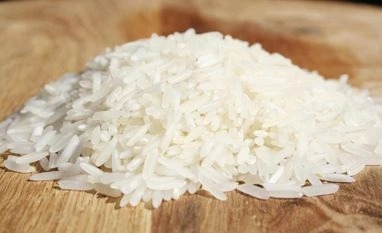
APEDA promotes exports of agri-products such as rice, fruits, vegetables, meat, and dairy, and develops markets and infrastructure. (Photo/Unsplash)
2 min read Last Updated : Sep 25 2025 | 2:38 PM IST
India’s decision to make prior registration with the Agricultural and Processed Food Products Export Development Authority (APEDA) mandatory for non-basmati rice exports will enable the government to have greater control over shipments, but it will not have any immediate impact on trade apart from adding a minimal cost, stakeholders said on Thursday.
APEDA promotes exports of agri-products such as rice, fruits, vegetables, meat, and dairy, and develops markets and infrastructure.
The Indian Rice Exporters Federation (IREF) on Thursday welcomed the decision to make it mandatory to register contracts for shipments of non-basmati rice with APEDA, saying it will bring transparency and uniformity in the export policy.
On Wednesday, the government notified that exports of non-basmati rice will be permitted only after registration with the commerce ministry’s APEDA.
Prem Garg, national president of IREF, said it is a landmark decision that brings non-basmati rice under the same framework as basmati rice, which has for years required registration of export contracts.
“The prior registration with APEDA is just an additional procedure and will not impact exports. The cost is minimal, but the advantage for the government is that they can regulate non-basmati shipments in the future, as they already do for basmati,” Ricevilla Group Chief Executive Officer Suraj Agarwal told PTI.
Jai Baba Bakreswar Rice Mill director Rahul Khaitan said the additional compliance is for tracking rice export data. “I think this will also help the government with greater food stock management,” he added.
As per a Directorate General of Foreign Trade (DGFT) notification on Wednesday, non-basmati rice exports will now require registration of contracts with APEDA.
The process mirrors that of basmati rice exports, with a nominal fee of Rs 8 per metric tonne and registration certificates issued online.
According to industry sources, the step has been introduced to strengthen monitoring of export volumes and to develop a rice trade promotion fund.
India is the world’s largest rice exporter, and the move will help the government adopt a more calibrated approach for both basmati and non-basmati rice exports, they added.

 "Exporters welcome mandatory APEDA registration for non-basmati rice")


