PAN 2.0 explained: How India is digitising its tax identification system?
The govt has allocated Rs 1,435 crore for technological upgrades to create a fully digitised and seamless ecosystem under PAN 2.0
Vasudha Mukherjee New Delhi The Cabinet Committee on Economic Affairs (CCEA), led by Prime Minister Narendra Modi, has approved the PAN 2.0 project, a transformative initiative aimed at modernising the Income Tax Department’s operations. Announced on Monday, the project is a significant step towards creating a paperless, online tax ecosystem for taxpayers across India.
Here’s everything you need to know about the initiative and its impact.
What is the PAN 2.0 project?
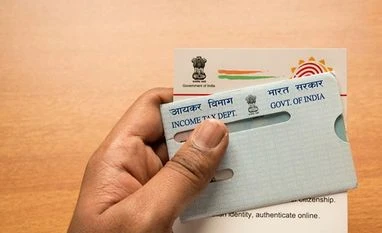
PAN 2.0 is an upgrade to the current taxpayer registration system, integrating core and non-core functions related to the Permanent Account Number (PAN) and Tax Deduction and Collection Account Number (TAN) services.
Aligned with the government’s Digital India vision, PAN 2.0 will enable the use of PAN as a universal identifier across specified digital systems within government agencies.
PAN vs TAN: What’s the difference?
PAN (Permanent Account Number): A 10-digit alphanumeric identifier issued by the Income Tax Department, essential for tracking tax-related transactions such as filing returns and making payments. It is valid for a lifetime.
TAN (Tax Deduction and Collection Account Number): Another 10-digit alphanumeric number used for deducting or collecting tax at source. It must be quoted in TDS/TCS returns, payment challans, and certificates.
TIN (Taxpayer Identification Number): An 11-character identifier issued to Indian businesses for value-added tax (VAT) purposes.
Why is PAN 2.0 significant?
The government aims to make PAN a common identifier across digital systems, addressing long-standing industry demands for a unified business identification number.
According to Union Minister Ashwini Vaishnaw, PAN 2.0 will deliver faster and more accurate services, ensure data consistency across platforms, and streamline operations. The initiative also promotes environmental sustainability by adopting paperless processes. Enhanced security and optimised systems will create a more agile and robust framework.
What is the budget for PAN 2.0?
The government has allocated Rs 1,435 crore for PAN 2.0, covering the technological upgrades required to establish a fully digitised and seamless tax ecosystem.
Key features of PAN 2.0
- QR code integration: Enhanced QR codes on all new and existing PAN cards for better system integration.
- Data vault system: A secure repository for PAN data to strengthen cybersecurity.
- Unified portal: A single platform will replace outdated software, streamlining grievance redressal and application processes.
- Paperless applications: PAN applications can now be submitted entirely online.
- Integrated ecosystem: PAN/TAN activities will be consolidated for improved service delivery and data consistency.
What does this mean for individuals?
Individuals, who account for 98 per cent of the 780 million PAN holders, will retain their current PAN numbers. They can upgrade their PAN cards for free to include the new QR code through a paperless process. Details on how to apply will be shared by the Income Tax Department.
What does this mean for businesses?
Businesses will benefit from a unified system consolidating PAN, TAN, and TIN. This integration simplifies the process of filing tax returns and challans, reducing redundancy and enhancing compliance.
How will PAN 2.0 enhance data security?
A mandatory PAN data vault will securely store user information, minimising the risk of breaches and ensuring compliance with modern cybersecurity standards.
When will PAN 2.0 be rolled out?
The government has not yet announced an exact timeline for implementation. However, existing users will have ample time to upgrade to the new system, and the process will be free of cost.

 "PAN 2.0 explained: How India is digitising its tax identification system?")


 Connect with us on WhatsApp