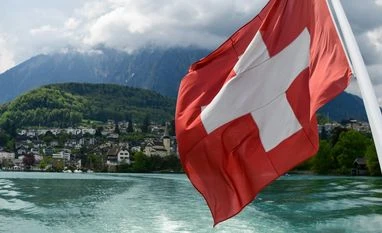
In a resounding verdict watched closely by global wealth managers, Switzerland on Sunday overwhelmingly rejected a proposal to introduce a 50% tax on inherited fortunes above 50 million Swiss francs (about $62 million). Nearly 78% of Swiss voters voted against the plan — an even stronger refusal than the two-thirds opposition earlier predicted by opinion polls.
The referendum was initiated by the youth wing of the Social Democratic Party (JUSO), which argued that the country’s wealthiest families enjoy generational advantages while younger citizens inherit rising climate risks, high living costs and economic precarity. The proposed tax was intended to fund national climate mitigation projects.
However, the initiative met swift resistance from the financial sector, business community and the Swiss federal government, all of whom warned that the levy could drive out wealthy residents, reduce tax competitiveness and ultimately shrink overall revenue collections.
"Bankers have watched the vote closely, casting it as a litmus test of appetite for wealth redistribution in Switzerland, as other countries, such as Norway, have beefed up their wealth tax or debated similar moves. Switzerland is home to some of the world's most expensive cities and anxiety about the cost of living has been gaining currency in local politics. The proposal from the youth wing of the leftist Social Democrats, or JUSOs, aimed to fund projects to reduce the impact of climate change. "The super rich inherit billions, we inherit crises," they argued.
Critics of the initiative said it could trigger an exodus of wealthy people from Switzerland, reducing overall tax revenues. The Swiss government urged voters to reject it," reported Reuters.
Why This Vote Mattered Globally
Switzerland’s wealth policies attract outsized global attention. The country is home to some of the world’s wealthiest individuals, a sizeable share of Europe’s family offices, and a concentration of multinational headquarters. Its political stability, low taxes, and strong financial infrastructure have made it a long-standing magnet for global capital.
The vote was closely monitored by private banks and economists worldwide because many advanced economies are now openly debating redistributive tax instruments.
Norway recently strengthened its wealth tax, prompting several high-net-worth individuals to relocate.
In Germany, the UK and the US, policymakers continue to discuss inheritance taxes and minimum wealth levies to address widening inequality.
Against this backdrop, Switzerland’s referendum was seen as a litmus test for whether even high-cost, high-income economies are willing to embrace aggressive wealth redistribution.
The answer was unambiguous.
Voter Sentiment: Cost of Living vs. Fear of Capital Flight
While anxiety about rising living costs is intensifying in Swiss political debates — Zürich and Geneva regularly rank among the world’s most expensive cities — voters appeared unconvinced that a steep inheritance tax was the right solution.
Opponents of the tax argued that such a punitive levy would:
Undermine Switzerland’s reputation as a wealth-friendly jurisdiction
Push affluent families and large employers to move operations abroad
Reduce the overall tax base, hurting public revenues
Send negative signals to global investors and firms choosing Switzerland as a European hub
The Swiss government had also urged citizens to reject the tax, saying it would destabilise economic competitiveness without offering a clear plan on measurable climate outcomes.
The Youth Proposal: “The Super-Rich Inherit Billions, We Inherit Crises”
The JUSO campaign struck an emotional chord with younger voters, arguing that the richest inherit enormous fortunes while younger generations inherit climate change, housing scarcity and economic instability. Their slogan — “The super-rich inherit billions, we inherit crises” — reflected a broader generational frustration echoing across Western democracies.
Still, the final result suggests that while many citizens acknowledge inequality concerns, they were unwilling to back a tax perceived as extreme or potentially harmful to Switzerland’s economic model.
Outcome Reinforces Switzerland’s Pro-Business Identity
With nearly four out of five voters rejecting the proposal, Switzerland has reaffirmed its long-standing political preference for:
- Low taxation
- Stable regulatory frameworks
Gradual policy change over radical shifts
For private banks, international asset managers and multinational families, the result is expected to be reassuring. Analysts say the vote sends a clear signal that the country intends to maintain its position as a global hub for wealth, investment and high-value enterprise — even as social debates on cost of living and equity continue.

 "Switzerland says 'no' to 50% inheritance tax targeting wealth above $62 mn")



