
71 dead in Bangladesh floods; waterborne disease fears escalate
Currently, over 5,80,000 families are marooned in 11 severely affected districts, urgently needing essential supplies such as food, clean water, medicine, and dry clothing
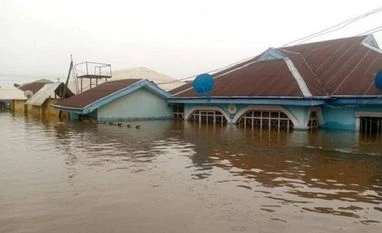 "71 dead in Bangladesh floods; waterborne disease fears escalate")
Explore Business Standard

Associate Sponsors
Co-sponsor
Currently, over 5,80,000 families are marooned in 11 severely affected districts, urgently needing essential supplies such as food, clean water, medicine, and dry clothing
The devastating floods in Bangladesh have now claimed 71 lives, with the situation becoming increasingly dire as millions remain stranded and concerns about waterborne diseases grow, reported Dawn.
Triggered by relentless monsoon rains and runoff from upstream rivers, these floods have caused widespread havoc across the country, affecting around five million individuals.
Currently, over 5,80,000 families are marooned in 11 severely affected districts, urgently needing essential supplies such as food, clean water, medicine, and dry clothing. The relief operations are being ramped up with nearly 500 medical teams deployed to provide treatment and support.
In addition, the army, air force, navy, and border guards are actively involved in the relief efforts, working tirelessly to reach those in need and mitigate the impact of the floods.
The focus of the relief operations is now shifting towards preventing the spread of waterborne diseases, a common and dangerous consequence of such disasters.
The Directorate General of Health Services has reported nearly 5,000 new hospitalisations in the past 24 hours due to diarrhoea, skin infections, and snake bites, reported Dawn News.
As the floodwaters begin to recede, the risk of disease outbreaks remains high, and efforts are underway to ensure the availability of clean drinking water.
In Dhaka, the situation has worsened with heavy rains causing roads to become submerged, leading to significant traffic jams and further complicating relief efforts. Preliminary assessments indicate that crops worth approximately 33.5 billion taka (USD 282 million) have been destroyed, severely impacting over 1.4 million farmers.
A 2015 analysis by the World Bank Institute highlighted that about 3.5 million people in Bangladesh are at risk from annual river flooding, a problem exacerbated by climate change. The current flooding, the worst the country has experienced in three decades, has prompted UNICEF to launch an urgent appeal for USD 35 million, Dawn reported.
This appeal aims to provide critical supplies and support to the two million children who are particularly vulnerable in this crisis.
Emma Brigham, Deputy Representative of UNICEF Bangladesh, emphasised the profound impact of climate change on children's lives, stating that recurring floods, heatwaves, and cyclones are increasingly devastating their futures.
The situation remains critical as Bangladesh battles one of its worst flood crises in recent history.
(Only the headline and picture of this report may have been reworked by the Business Standard staff; the rest of the content is auto-generated from a syndicated feed.)
First Published: Sep 04 2024 | 7:14 AM IST

