Statsguru: Six charts explain India's contradictory monsoon forecasts

Research suggests rainfall distribution can be affected by global warming. Indeed, monsoon temperatures themselves have been rising in recent years
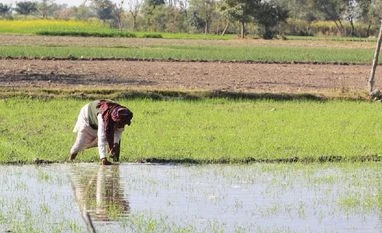
farmers
Samreen Wani
2 min read Last Updated : Apr 16 2023 | 11:18 PM IST
Contradictory monsoon forecasts have come in ahead of potentially the fifth straight year of normal or above normal rainfall for the country. Private agency Skymet suggested that the rains could be below normal in 2023. The India Meteorological Department (IMD), however, is of the view that normal rains are expected despite El Niño, a weather phenomenon which often results in weaker monsoon. The IMD defines a normal monsoon as one which delivers between 96 and 104 per cent of the 50-year average rainfall for the season. Rainfall has been 0.4-11.8 per cent higher than this average since 2019.


Rainfall between June and September accounts for about three-fourths of the country’s annual precipitation. However, despite the prevalence of sufficient rainfall, there has been a huge variation in regional rainfall patterns.


Research suggests rainfall distribution can be affected by global warming. Indeed, monsoon temperatures themselves have been rising in recent years.


These larger weather shifts can affect the Indian economy because of its dependence on rain-fed agriculture. The last available data suggests around 46 per cent of food grains are still grown on unirrigated land.


Maharashtra, Karnataka and Rajasthan have the least irrigation coverage among major states.


The production of foodgrains in 2022-23 was expected to hit a record 323.6 million tonnes — a 2.5 per cent increase over the previous year. According to the latest estimate, rice production is estimated to have reached 130.8 million tonnes, while wheat production is expected to be around 112 million tonnes.


Unseasonal rains have, however, affected crops in multiple states, including Punjab, Haryana and Uttar Pradesh. It’s important to note that agriculture accounts for 45.5 per cent of employment, according to the latest Periodic Labour Force Survey report. It also accounts for about a fifth of the economy, which is largely dependent on rainfall.

One subscription. Two world-class reads.

Already subscribed? Log in

Subscribe to read the full story →
*Subscribe to Business Standard digital and get complimentary access to The New York Times

Smart Quarterly

₹900

3 Months

₹300/Month

SAVE 25%

Smart Essential

₹2,700

1 Year

₹225/Month

SAVE 46%
*Complimentary New York Times access for the 2nd year will be given after 12 months

Super Saver

₹3,900

2 Years

₹162/Month

Subscribe

Renews automatically, cancel anytime

Here’s what’s included in our digital subscription plans

Exclusive premium stories online

  • Over 30 premium stories daily, handpicked by our editors

Complimentary Access to The New York Times

  • News, Games, Cooking, Audio, Wirecutter & The Athletic

Business Standard Epaper

  • Digital replica of our daily newspaper — with options to read, save, and share

Curated Newsletters

  • Insights on markets, finance, politics, tech, and more delivered to your inbox

Market Analysis & Investment Insights

  • In-depth market analysis & insights with access to The Smart Investor

Archives

  • Repository of articles and publications dating back to 1997

Ad-free Reading

  • Uninterrupted reading experience with no advertisements

Seamless Access Across All Devices

  • Access Business Standard across devices — mobile, tablet, or PC, via web or app

Topics :agriculture sectorIndian monsoon

Next Story



