Textile industry says new labour codes may boost export prospects to US, EU

India's textile sector says new labour codes will strengthen compliance with due-diligence norms and enhance global competitiveness
MSMEs, textile
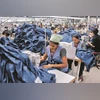
Representative Picture
Shine Jacob Chennai
3 min read Last Updated : Nov 23 2025 | 11:46 PM IST
The textiles industry has welcomed the rollout of new labour codes, citing that it will help players clinch more export orders, as it will comply with the Corporate Sustainability Due Diligence Directive (CSDDD) norms.
 
While the move may give a competitive edge over rivals like Bangladesh in the global market, several industry bodies raised concerns that many state governments may not implement it on the ground.
 
The export boost would be seen once free trade agreements (FTAs) conclude with the European Union (EU) and the United States (US).
 
“The new labour codes would facilitate compliance with various social accountability norms prescribed by leading markets like the EU and the US. The EU has decided that any exporting country must comply with the CSDDD requirements to access the European market. The new policy initiatives would facilitate the industry to take advantage of the FTA to be concluded with the EU and US in the short run,” said ME Manivannan, member, CII Southern Region Textiles Task Force, and whole-time director, Loyal Textile Mills.
 
The new labour code will create a competitive edge for the Indian textiles industry to get more business as it will pave the way to comply with the CSDDD, he added.
 
This comes at a time when India is pitching itself as a global hub of textile sourcing. India exported $36.55 billion in FY25, up from $34.40 billion during the previous financial year.
 
The new changes include mandatory appointment letters to all workers, PF, ESIC, insurance and other social security benefits for all workers. Also, they provide statutory right to minimum wage payment, free annual health check-ups and permission for women to work at night, among others. 
 
The textiles industry, particularly mills which are in exports, has been constantly approaching the government to simplify the labour legislations and bring a common code. This would help India lead the world on social accountability.
 
The Centre has announced the Industrial Relations Code, 2020, Code on Social Security, 2020, Occupational Safety, Health, and Working Conditions (OSHWC) Code, 2020, and Code of Wages, 2019. They have been made effective from November 21, 2025, rationalising 29 labour laws.
 
“Simplification of several laws reduces compliance and is much easier to understand. Rather than helping manufacturing grow, this may make life easier for manufacturers,” said Sanjay Kumar Jain, managing director of Delhi-based TT Ltd, and chairman of ICC National Textiles Committee.
 
Modernising labour regulations, enhancing workers' welfare and aligning the labour ecosystem with the evolving world of work, this landmark move lays the foundation for a future-ready workforce, driving labour reforms for Aatmanirbhar Bharat, a government statement said.
 
“Unless state rules are notified by the state governments, actual implementation may not happen. Until these notifications come, enforcement of the provisions in the codes would remain silent,” said K Venkatachalam, chief advisor, Tamil Nadu Spinning Mills Association. 
What it may entail
  • Some industry bodies concerned that many state governments may not implement the reforms on the ground
  • Codes help comply with EU’s CSDDD norms
  • Expected to give India a competitive edge over rivals in the sector, like Bangladesh
 

One subscription. Two world-class reads.

Already subscribed? Log in

Subscribe to read the full story →
*Subscribe to Business Standard digital and get complimentary access to The New York Times

Smart Quarterly

₹900

3 Months

₹300/Month

SAVE 25%

Smart Essential

₹2,700

1 Year

₹225/Month

SAVE 46%
*Complimentary New York Times access for the 2nd year will be given after 12 months

Super Saver

₹3,900

2 Years

₹162/Month

Subscribe

Renews automatically, cancel anytime

Here’s what’s included in our digital subscription plans

Exclusive premium stories online

  • Over 30 premium stories daily, handpicked by our editors

Complimentary Access to The New York Times

  • News, Games, Cooking, Audio, Wirecutter & The Athletic

Business Standard Epaper

  • Digital replica of our daily newspaper — with options to read, save, and share

Curated Newsletters

  • Insights on markets, finance, politics, tech, and more delivered to your inbox

Market Analysis & Investment Insights

  • In-depth market analysis & insights with access to The Smart Investor

Archives

  • Repository of articles and publications dating back to 1997

Ad-free Reading

  • Uninterrupted reading experience with no advertisements

Seamless Access Across All Devices

  • Access Business Standard across devices — mobile, tablet, or PC, via web or app

Topics :Manufacturing Industrytextile industrylabour LawEmployment in IndiaNew Labour Codes

Next Story



