3 min read Last Updated : Sep 12 2023 | 9:41 PM IST
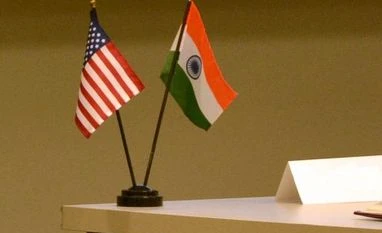
The high note on which India concluded the G20 summit on September 10 was the result in no small measure of greater harmony in India-US relations. India’s success in shaping a consensus on the Leaders’ Declaration against all expectations was substantially the result of a decision by the US-led G7 to soften its stance on references to the Ukraine war from the stronger language of the Bali Declaration a year ago. Though the paragraphs on Ukraine largely followed the red lines laid down by China and Russia, the G7’s compromise ensured the success of India’s “coming out party” on the global stage. This considered move points to the geopolitical stakes that the US and its allies have chosen to invest in India as China increasingly engages in wolf-warrior diplomacy. Closer alignment between the US and India over the past year has been the strongest signal of this dynamic.
The intensity of engagement has been evident in the past six months in particular. In June, Prime Minister Narendra Modi travelled to the US on a state visit. This was followed by a bilateral meeting on September 8 with US President Joe Biden ahead of the G20 leaders’ summit. Unusually, both meetings yielded joint statements. Among the mutual declarations of commitment and collaboration, two issues stand out. The first is President Biden’s decision to reiterate a commitment by President Barack Obama to push for India’s long-standing demand for a permanent seat on the United Nations Security Council. The second is a closer integration of defence ties. The agreement between General Electric and Hindustan Aeronautics to develop light combat aircraft engines has been the prominent sign of this assimilation. Discussions over placing liaison officers in each other’s military organisations — notably, for India, in CENTCOM’s main headquarters in Florida — mark a significant step forward in the three foundational agreements that India and the US signed recently. The new element is the emergence of India as a hub for maintenance and repair for “forward deployed US Navy assets”. To this end, the two countries have concluded a Master Ship Repair Agreement with Indian shipyards to make India a hub for US Navy aircraft and vessels. The September statement added a sentence on commitments from US industry to invest in India’s maintenance, repair, and overhaul capabilities for aircraft.
Though a comprehensive trade agreement has proven elusive, economic ties have shown significant progress. In June, the US and India terminated six outstanding disputes at the World Trade Organization. The US also agreed to exempt a substantial part of steel and aluminium exports from India from the penal tariffs imposed by the Donald Trump administration in 2018. In response, India on September 5 removed duties on apples, walnuts, and almonds imported from the US. The next milestone is for the US to restore tariff concessions under the Generalised System of Preferences, which the Trump administration had scrapped and the Biden administration promised to restore. This Washingtonian embrace presents India with new opportunities to build on a thaw that began with the nuclear deal in 2008 but froze for some years thereafter. It also presents critical challenges, principally in balancing its relations with the unpredictable superpower in its neighbourhood that harbours territorial ambitions on India’s borderlands.