Worldwide sales

Dedicated hubs will streamline e-commerce exports
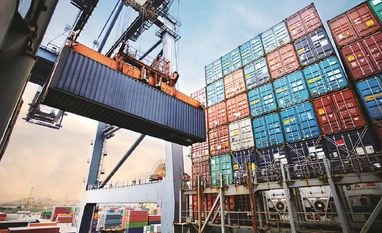
export import trade
Representative Picture
Business Standard Editorial Comment
3 min read Last Updated : Jun 26 2024 | 11:03 PM IST
As part of the 100-day action plan of the Union government, efforts are being put in place to boost India’s export potential, especially e-commerce export. Accordingly, the Directorate General of Foreign Trade (DGFT) and the Department of Revenue are reportedly working to establish designated e-commerce export hubs across the country. With the government aiming to streamline online export shipment from India, this is indeed a welcome step for exporters. The export hubs are expected to act as a centre for favourable business infrastructure and facilities for cross-border e-commerce, including facilitating faster Customs clearance of cargo and also addressing the problem of reimportation because about 25 per cent of goods in e-commerce are reimported. Additionally, the hubs will offer warehousing facilities, processing returns, labelling, product testing, repackaging items, and dedicated logistics infrastructure for connecting to and leveraging the services of nearby logistics hubs, thereby achieving agglomeration benefits for exporters.

E-commerce platforms link local producers even in rural and remote districts with global supply chains. They also resolve market-access issues, which are a significant obstacle hindering exports by micro, small, and medium enterprises (MSMEs). This will particularly help informal businesses and MSMEs that find it convenient to export through digital platforms. In an attempt to leverage e-commerce platforms to support local exporters, manufacturers and MSMEs in reaching potential international buyers, the DGFT signed a memorandum of understanding with global e-commerce firm Amazon last year to offer capacity-building sessions, training, and workshops for MSMEs across districts identified by the DGFT as part of the “District as Exports Hub” initiative. Amazon surpassed $8 billion in cumulative exports from India in 2023 and aims to achieve its ambitious target of $20 billion by next year. Notably, the world’s largest retailer, Walmart, too, surpassed $30 billion in cumulative sourcing from India in more than two decades of operations in the country.

India’s exports through online platforms stood at $8-10 billion last year, compared to China’s staggering figure of more than $300 billion. A key reason for this gap is the cumbersome compliance process associated with exports, especially when it comes to payment reconciliation, which is particularly challenging for new or small exporters. At the same time, global cross-border e-commerce trade was $800 billion. With India’s cross-border e-commerce exports likely to increase to $200 billion over the next six to seven years, it can become a key strategy in achieving the $2 trillion overall exports target by 2030. The Foreign Trade Policy of 2023, which calls for greater focus on emerging areas of export, identifies e-commerce as a focus area for amplifying India’s exports.

Amid rising geopolitical tensions, supply-chain disruption, and global headwinds, India’s export performance has witnessed a slowdown in recent years. India’s services exports increased by only $15.8 billion in 2023-24 over 2022-23, while merchandise exports declined $14 billion in the same period. Overall, India’s combined value of exported goods and services registered a marginal increase of around $2 billion in 2023-24. At a time when export growth remains tepid and the overall trade deficit is around $78 billion, establishing a supportive e-commerce ecosystem can truly give a fillip to India’s export performance. Given the patchwork of rules and export provisions framed for exporters, there is an urgent need for a separate e-commerce export policy, which can ease the compliance burden on exporters.

One subscription. Two world-class reads.

Already subscribed? Log in

Subscribe to read the full story →
*Subscribe to Business Standard digital and get complimentary access to The New York Times

Smart Quarterly

₹900

3 Months

₹300/Month

SAVE 25%

Smart Essential

₹2,700

1 Year

₹225/Month

SAVE 46%
*Complimentary New York Times access for the 2nd year will be given after 12 months

Super Saver

₹3,900

2 Years

₹162/Month

Subscribe

Renews automatically, cancel anytime

Here’s what’s included in our digital subscription plans

Exclusive premium stories online

  • Over 30 premium stories daily, handpicked by our editors

Complimentary Access to The New York Times

  • News, Games, Cooking, Audio, Wirecutter & The Athletic

Business Standard Epaper

  • Digital replica of our daily newspaper — with options to read, save, and share

Curated Newsletters

  • Insights on markets, finance, politics, tech, and more delivered to your inbox

Market Analysis & Investment Insights

  • In-depth market analysis & insights with access to The Smart Investor

Archives

  • Repository of articles and publications dating back to 1997

Ad-free Reading

  • Uninterrupted reading experience with no advertisements

Seamless Access Across All Devices

  • Access Business Standard across devices — mobile, tablet, or PC, via web or app

Topics :Business Standard Editorial CommentMSMEsForeign trade policy

Next Story



