Home / World News / Ahead of G20 summit, bloc poured $1.4 trn into fossil fuels in 2022: Study
Ahead of G20 summit, bloc poured $1.4 trn into fossil fuels in 2022: Study
The study by independent think tank International Institute for Sustainable Development (IISD) and partners comes as G20 leaders prepare for their summit meeting scheduled for September 9-10 in Delhi
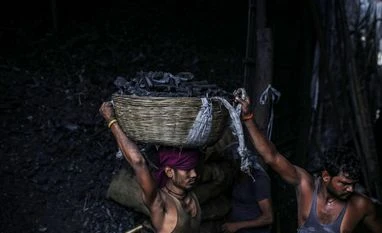
The astonishing sum of $ 1.4 trillion includes fossil fuel subsidies ($ 1 trillion), state-owned enterprise investments ($ 322 billion), and money lent by public financial institutions ($ 50 billion), according to the study | Photo: Bloomberg
4 min read Last Updated : Aug 23 2023 | 8:15 AM IST
G20 countries allocated a staggering $ 1.4 trillion of public funds to support fossil fuels in 2022, aiming to counter the impact of their soaring prices due to the Ukraine war and strengthen energy reserves, a new study has said.
The study by independent think tank International Institute for Sustainable Development (IISD) and partners comes as G20 leaders prepare for their summit meeting scheduled for September 9-10 in New Delhi.
India, the current G20 president, has made good progress, the study says,highlighting the cut in the fossil fuel subsidies by 76 percent from 2014 to 2022 while boosting support for clean energy. This puts India in a strong position to lead on this issue, the study says.
The astonishing sum of $ 1.4 trillion includes fossil fuel subsidies ($ 1 trillion), state-owned enterprise investments ($ 322 billion), and money lent by public financial institutions ($ 50 billion), according to the study.
This total is more than double what was seen before the COVID-19 pandemic and the energy crisis in 2019, it said.
Tara Laan, a Senior Associate at IISD and the lead author of the study, said, "These figures are a stark reminder of the massive amounts of public money G20 governments continue to pour into fossil fuels despite the increasingly devastating impacts of climate change."
She stressed that it's urgent for the G20 to address the issue of fossil fuel subsidies at the summit, especially when climate change effects are becoming worse.
The G20 has the power and the responsibility to transform our fossil-based energy systems. It is crucial for the bloc to put fossil fuel subsidies on the Delhi Leaders' Summit agenda and take meaningful actions to eliminate all public financial flows for coal, oil, and gas, she said.
Financial support for fossil fuels worsens human-made climate change and its harsh effects, such as more heatwaves, wildfires, and heavy rains. The report underlines that giving subsidies that lower fossil fuel prices is a problem because it encourages more use of these harmful energy sources.
The researchers propose a solution: G20 nations could get an extra $ 1 trillion each year by setting minimum carbon taxes ranging from $ 25 to $ 75 per metric ton of CO2 equivalent, based on the country's income.
Current taxes on fossil fuels in the G20 are too low, averaging just $ 3.2 per metric ton of CO2 equivalent. This is worrying because fossil fuel companies made huge profits during the energy crisis last year, according to the report.
It also suggests a clear plan to get rid of fossil fuel subsidies: Developed countries should stop them by 2025, and emerging economies should end them by 2030 at the latest.
The authors say that instead of just calling these subsidies "inefficient", there should be specific reasons for keeping them, like when they're needed for energy access. Also, the subsidies should only help those who genuinely need them, not be a poor way of helping people.
he report shows that if the bloc shifts a bit of the trillions spent on fossil fuel subsidies, it could make a big difference. This could help bridge the gap for wind and solar energy ($ 450 billion a year), tackle world hunger ($ 33 billion a year), give clean electricity and cooking methods to everyone ($ 36 billion a year), and help developing nations with climate funds ($ 17 billion a year).
he study underlines that state-owned companies and public financial groups have a big role to play. Governments should set a clear date for them to make plans to go carbon-neutral. This will help them avoid risks tied to investing in fossil fuels.
ara Laan summed it up, saying, "Fossil fuel companies made big profits during the energy crisis last year, so they don't want to change. But governments can push them in the right direction.
(Only the headline and picture of this report may have been reworked by the Business Standard staff; the rest of the content is auto-generated from a syndicated feed.)

 "Ahead of G20 summit, bloc poured $1.4 trn into fossil fuels in 2022: Study")

