Home / World News / Hungary's Viktor Orbn to meet Russia's Putin in Moscow for energy talks
Hungary's Viktor Orbn to meet Russia's Putin in Moscow for energy talks
Hungary remains among the only EU countries to continue importing large quantities of Russian fuels, and has strongly opposed efforts by the bloc to wean its member nations off Russian energy supplies
Earlier this month, Orbn travelled to Washington for a meeting with US President Donald Trump where he succeeded in securing an exemption to sanctions | Image: Wikimedia Commons
2 min read Last Updated : Nov 28 2025 | 2:43 PM IST
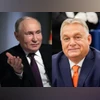
Hungarian Prime Minister Viktor Orbn is visiting Moscow for energy talks with Russian President Vladimir Putin, a rare step from a European leader while Russia's war grinds on in Ukraine.
The trip to Moscow is the second since last year for Orbn, who is widely considered Putin's closest partner among all European Union leaders. In comments to state media before departing for Moscow early Friday, Orbn said the focus of his talks with Putin would be Hungary's continued access to "cheap Russian oil and gas, resources that have come under sanctions by the US government.
Hungary remains among the only EU countries to continue importing large quantities of Russian fossil fuels, and has strongly opposed efforts by the bloc to wean its member nations off Russian energy supplies.
Earlier this month, Orbn travelled to Washington for a meeting with US President Donald Trump where he succeeded in securing an exemption to sanctions the Trump administration placed on Russian energy companies Lukoil and Rosneft an allowance Orbn said ensured Hungary's continued energy security.
Before departing from Budapest Friday, Orbn said that following Hungary's exemption from US sanctions, now all we need is oil and gas, which we can buy from the Russians. I am going there to ensure Hungary's energy supply at an affordable price both this winter and next year.
Orbn has long argued Russian energy imports are indispensable for his country's economy, and that switching to fossil fuels sourced from elsewhere would cause an immediate economic collapse. As the rest of Europe has gradually cut off Russian energy, Hungary has maintained and even increased its imports, and argued against an EU plan to eliminate all Russian fossil fuels by the end of 2027.
(Only the headline and picture of this report may have been reworked by the Business Standard staff; the rest of the content is auto-generated from a syndicated feed.)

 "Hungary's Viktor Orbn to meet Russia's Putin in Moscow for energy talks")

