
Japan's Mount Fuji still without its iconic snowcap for 1st time in 130 yrs
Usually, the 3,776-metre-high mountain has sprinkles of snow falling on its summit starting October 2, about a month after the summertime hiking season there ends
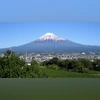 "Japan's Mount Fuji still without its iconic snowcap for 1st time in 130 yrs")
Explore Business Standard
Usually, the 3,776-metre-high mountain has sprinkles of snow falling on its summit starting October 2, about a month after the summertime hiking season there ends
Japan's iconic Mount Fuji, known for its snowcap forming around this time of the year, is still snowless in November for the first time in 130 years, presumably because of the unusually warm temperatures in the past few weeks.
The lack of snow on Mt. Fuji, a Unesco World Heritage site, as of Tuesday breaks the previous record set on October 26, 2016, meteorological officials said.
Usually, the 3,776-metre-high mountain has sprinkles of snow falling on its summit starting October 2, about a month after the summertime hiking season there ends. Last year, snow fell on the mountain on October 5, according to the Japan Meteorological Agency, or JMA.
The snowless Mt. Fuji has captured attention on social media. People posted photos showing the bare mountain, some expressing surprise and others concerned over climate change.
The JMA's Kofu Local Meteorological Office, which keeps weather data in central Japan and was the agency that announced the first snowfall on Mt. Fuji in 1894, has cited October's surprisingly summery weather as the reason.
The average October temperature is minus 2 Celsius (28.4 Fahrenheit) at the summit, but this year, it was 1.6 Celsius, (34.9 F), a record high since 1932.
Japan this year also had an unusually hot summer and warm autumn.
A symbol of Japan, the mountain called Fujisan used to be a place of pilgrimage. The mountain with its snowy top and near symmetrical slopes have been the subject of numerous forms of art, including Japanese ukiyoe artist Katsushika Hokusai's Thirty-six Views of Mount Fuji.
Today, it attracts hikers who climb to the summit to see the sunrise. But tons of trash left behind and overcrowding have triggered concern and calls for environmental protection and measures to control overtourism.
(Only the headline and picture of this report may have been reworked by the Business Standard staff; the rest of the content is auto-generated from a syndicated feed.)
First Published: Nov 05 2024 | 9:14 PM IST


