
Over 100 dolphins dead in Amazon as it hits record-high temperature
According to the Mamiraua Institute, a research facility funded by the Brazilian Ministry of Science, these dolphins were found in Lake Tefe
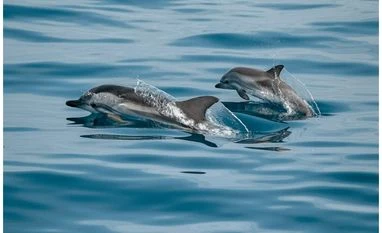 "Over 100 dolphins dead in Amazon as it hits record-high temperature")
WebinarsNew
Deep DiveNew
Explore Business Standard
According to the Mamiraua Institute, a research facility funded by the Brazilian Ministry of Science, these dolphins were found in Lake Tefe
Over 100 dolphins have been found dead in the Brazilian Amazon over the past seven days due to historic drought and increasing water temperatures, noting 102 degrees Fahrenheit, reported CNN.
According to the Mamiraua Institute, a research facility funded by the Brazilian Ministry of Science, these dolphins were found in Lake Tefe.
The institute suggested record-high lake temperature and the historic drought in the Aamazon may have been the cause of the death, noting that such a high number of deaths was unusual.
The world's largest waterway, Amazon River, is currently in its dry season and several specimens of river fauna are also dealing with record-high temperatures.
The deaths will probably add to the concerns of climate scientists over the effects human activity and extreme droughts are having on the region, CNN reported. The institute said, "It's still early to determine the cause of this extreme event but according to our experts, it is certainly connected to the drought period and high temperatures in Lake Tefe, in which some points are exceeding 39 degrees Celsius (102 degrees Fahrenheit)."
However, researchers and scientists are trying to rescue the surviving dolphins by shifting them from lagoons and ponds in the outskirts to the main body of the river where the water is comparatively cooler, according to CNN Brasil.
Adding to this, CNN reported, the operation is not easy due to the remoteness of the area.
Andre Coelho, a researcher at the Mamiraua Institute, told CNN Brasil, "Transferring river dolphins to other rivers is not that safe because it's important to verify if toxins or viruses are present (before releasing the animals into the wild)."
Moreover, as many as 59 municipalities have reported below average levels of water in Amazonas State, hindering both transport and fishing activities on the river, reported CNN.
Authorities are further expecting even more acute droughts over the next couple of weeks, which could lead to more deaths of dolphins.
Furthermore, the deadly drought in the Amazon is river is further impacting the economy.
(Only the headline and picture of this report may have been reworked by the Business Standard staff; the rest of the content is auto-generated from a syndicated feed.)
First Published: Oct 02 2023 | 9:17 AM IST


 Connect with us on WhatsApp