Home / World News / Strong typhoon blows closer to northern Philippines, forces evacuation
Strong typhoon blows closer to northern Philippines, forces evacuation
Doksuri was last tracked 310 kilometers (193 miles) east of Tuguegarao city in Cagayan province with sustained winds of 185 kilometers (115 miles) per hour and gusts of up to 230 kph (143 mph)
The strongest winds at the storm's center are expected to remain offshore as Typhoon Doksuri barrels northwest off Cagayan and Batanes provinces | Photo: Reuters
A powerful typhoon blew closer to the northern Philippines on Tuesday, forcing thousands of evacuations and a halt to sea travel ahead of torrential rains and tidal surges up to 3 meters.
The strongest winds at the storm's center are expected to remain offshore as Typhoon Doksuri barrels northwest off Cagayan and Batanes provinces, but they may hit outlying islands in the archipelago. The typhoon's 680-kilometer- (420-mile-) wide rainband could cause flash floods and set off landslides in northern provinces, the country's weather bureau said.
Doksuri was last tracked 310 kilometers (193 miles) east of Tuguegarao city in Cagayan province with sustained winds of 185 kilometers (115 miles) per hour and gusts of up to 230 kph (143 mph), government forecasters said.
The typhoon would also enhance seasonal monsoon rains in central and northern provinces. It was forecast to continue moving northwest on a track south of Taiwan that would make landfall in China later this week.
Cagayan Gov. Manuel Mamba said he suspended work in his province to allow people to prepare for the onslaught and ordered the evacuation of thousands of people in 11 coastal towns as a precaution.
"This is a supertyphoon and we're carrying out pre-emptive evacuations in all coastal villages because we're afraid of storm surges, Mamba told The Associated Press by telephone, adding weather forecasters warned that tidal surges could reach a height of up to 3 meters (nearly 10 feet).
Aside from work, Mamba said classes in colleges were also suspended from Tuesday to Wednesday. Grade and high school students were on vacation, he said.
Tuguegarao City Mayor Maila Ting-Que urged the public to be vigilant and imposed a liquor ban, warning violators of arrests. Fishermen were barred from venturing in the increasingly rough seas.
Nearly 10,000 inter-island ferry passengers and cargo truck drivers, along with 100 passenger and cargo vessels and motor bancas, were stranded in several ports where a no-sail order was imposed due to the typhoon and enhanced monsoon rains, the Philippine coast guard said.
About 20 typhoons and storms batter the Philippines each year, aside from seasonal monsoon rains. The country also lies in the so-called Pacific Ring of Fire, a region prone to earthquakes and volcanic eruptions, making it one of the world's most disaster-prone countries.
(Only the headline and picture of this report may have been reworked by the Business Standard staff; the rest of the content is auto-generated from a syndicated feed.)

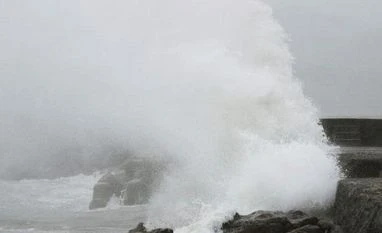 "Strong typhoon blows closer to northern Philippines, forces evacuation")


 Connect with us on WhatsApp