Like many drug lords, Nemesio Oseguera Cervantes, popularly known as 'El Mencho', kept a low profile. For years, the leader of the powerful Jalisco New Generation Cartel (CJNG) remained elusive, expanding his global drug networks while staying out of the authorities’ reach. That run ended in Tapalpa, Jalisco, last week, when Mexican special forces killed the 59-year-old during an operation to capture him.
Journey from Michoacan to California
Nemesio Oseguera Cervantes was born in El Naranjo, a small village in Michoacan, Mexico. He was originally named Ruben Oseguera Cervantes but later added 'Nemesio', which led to his nickname, El Mencho.
As a young man, he moved to the United States (US) and settled in California. There, he became involved with the Los Cuinis gang, led by his brother-in-law, Abigael Gonzalez Valencia, also known as 'El Cuini'. This connection played a key role in shaping his criminal path.
After spending three years in a US prison for heroin trafficking, he was deported back to Mexico. In Michoacan, he continued working with Los Cuinis, who had links to Armando Valencia Cornelio, alias 'El Maradona', the leader of the now-defunct Milenio cartel.
In the 1990s, Oseguera worked as a gunman for Valencia Cornelio and built ties with cocaine traffickers connected to Colombian suppliers and groups in Sinaloa, Mexico. As violence between rival gangs increased, their operations moved to Jalisco, a move that laid the foundation for his future stronghold.
Rise of El Mencho
El Mencho eventually carved out his own path, creating a criminal organisation with operations in more than 60 countries, from Oceania to Africa, and a presence across all 50 US states and Mexico’s 32 federal entities.
US Drug Enforcement Administration agent Kyle Mori, who tracked him, estimated his fortune at more than $1 billion, according to a report by Milenio, a Mexican national daily. Influential and heavily protected, he was seen as so formidable that even the Italian drug mafias reportedly sought business ties with him.
What differentiated El Mencho from other drug lords?
Three factors distinguished him: adaptability, open confrontation with the state, and technological innovation.
First, he capitalised on geography. While other cartels focused on the direct land route to the US, Oseguera looked across the Pacific. He identified Mexico’s western coast as a gateway to southern China, where chemical precursors for synthetic drugs were already being produced by the mid-2000s.
According to the Milenio report, methamphetamine and amphetamine transformed the drug trade. They did not require vast plantations or dependence on weather conditions. A small lab, chemical inputs and technical expertise were enough. This shift reduced exposure risks and elevated the role of chemists, biologists and other specialists within organised crime.
He also expanded ties in Asia, particularly in India and Bangladesh, later using those routes to penetrate Europe with local mafias and Africa in partnership with terrorist groups. Even distant markets such as New Zealand became targets, where methamphetamine pills reportedly sold for as much as $100 each. Notably, he achieved this global reach without speaking Mandarin or English and without completing primary school.
War on the state
Unlike many drug lords who said their fight was only against rival gangs, El Mencho openly launched offensives against the Mexican government.
One clear example dates back to May 2015, when the military launched a secret mission called Operation Jalisco to capture him. During the operation, cartel gunmen attacked an army helicopter. On his orders, his son Rubén Oseguera González, known as 'El Menchito', authorised the use of Russian-made rocket launchers. The helicopter was shot down, killing 11 soldiers and two policemen.
Another factor that set him apart was his use of modern war technology. His cartel was among the first to regularly use drones in attacks. He also reportedly hired Colombian mercenaries to train his men along the Michoacan–Jalisco border to plant improvised explosive devices, or 'mines'. These devices, known for causing serious injuries and amputations in Colombia, were used to create hidden danger zones and spread fear among local communities.
The final chapter
Because of the power he had built, El Mencho believed he would achieve something few Mexican drug lords had managed - to never be caught and to die a natural death as a free man. Many of his rivals had been arrested, jailed or extradited.
But that belief ended last week, when the Mexican army tracked him down in Tapalpa, Jalisco.
Mexican forces launched an operation to capture him, leading to fierce gun battles. Four gang members were killed at the scene. Oseguera and two associates were critically injured and later died while being flown to Mexico City for treatment.
His death sparked immediate backlash. Cartel gunmen torched vehicles and buses, blocked roads and clashed with authorities across at least five Mexican states.
The killing of El Mencho is expected to create a power vacuum within the Jalisco cartel, potentially leading to internal conflict and more violence, according to an Associated Press report.


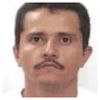 "All about El Mencho, the Mexican drug lord killed in military operation")

