


Dalit Kitchens of Marathwada: Shahu Patole's book on the taste of casteism
Food is a critical part of any culture. It locates you. It shapes how you're seen and how you see yourself. It carries histories, hierarchies, and inheritances
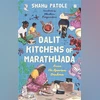 "Dalit Kitchens of Marathwada")
premium
Dalit Kitchens of Marathwada
5 min read Last Updated : Aug 01 2025 | 10:50 PM IST
Listen to This Article
Dalit Kitchens of Marathwada
by Shahu Patole
Published by HarperCollins India
386 pages
₹380
We Indians love our food. Every corner of the country has its own chorus of spices, snacks, and signatures, all competing for attention, all offered up with a certain swagger; our culinary culture is often described as a mosaic of traditions, a glorious testament to our eternal diversity. But what of the dishes you never see on Instagram and that no one frames as heritage? What of the food that’s never found on tourist trails?
Food is a critical part of any culture. It locates you. It shapes how you’re seen and how you see yourself. It carries histories, hierarchies, and inheritances. What you eat is what you are. But if what you eat is invisible, are you invisible, too? That’s the question at the heart of Dalit Kitchens of Marathwada by Shahu Patole, translated by Bhushan Korgaonkar. Through recipes, folktales, religious texts, and his own experience, he details the culinary practices of the Dalit communities in the Marathwada region, particularly the Mang and Mahar castes.
The original Marathi title of the book, Anna He A-purna Brahma, is a play on the popular Marathi prayer, anna he purna brahma, meaning “food is the complete truth, the eternal life-creating force”. By changing a single word — apurna, or incomplete — Patole reminds us that food, like divinity, is unevenly distributed. When caste determines who eats, what they eat, and how they’re judged for it, food becomes a site of exclusion.
“Food habits and caste cannot be separated in Indian culture,” Patole writes. “Just as caste is cemented at birth, so is diet.” After all, as Sant Tukaram wrote: “A monkey may bathe and wear a tilak on his forehead, but that doesn’t make him Brahmin. A Brahmin, however, may deviate from his path, but he is still the greatest in the entire universe.”
In documenting nearly 200 recipes, Patole offers a socioeconomic history in the guise of a culinary guide. This is a world where taste was never the starting point. Food, here, was a daily negotiation with scarcity. The most basic ingredients were luxuries, their use reserved for special occasions, such as rituals and festivals, or for guests. Dalit cuisine, instead of spice blends or secret techniques, focused mainly on survival.
Peanuts, used in several recipes, were chosen because they were often given as payment, usually in the form of broken pieces known as fut, deemed unfit by upper castes. Leftover meat was dried and preserved for the monsoon. There was barely any ghee, butter, or milk. Puran poli, a symbol of celebration, was eaten with gulavani, a jaggery and dry ginger decoction instead of milk. Each substitution is proof of innovation in the face of absence.
Another theme Patole touches on is the shame around Dalit food and how it has been internalised. He writes how “Dalit people who regularly and authoritatively examine culture, history, the caste system and social movements feel guilty, ashamed, scared and confused when their food customs and culture are discussed”. This attitude, which only intensifies over time, further underscores the importance of a book like this.
Toward the end, Patole scans scriptures written by Marathi saints, from Leelacharitra to Dnyaneshwari, to parse what saints and seers said about food, searching for what was said about “his” people.
According to Hindu scriptures, food is categorised into three types: Sattvic, rajasic, and tamasic. Sattvic food, reserved for Brahmins, consists of fruit, vegetables, grains, nuts, and dairy products and is said to be pure and nourishing, promoting calmness and spiritual growth. Rajasic food, intended for Kshatriyas, comprises fried, overly rich, or heavily seasoned dishes and is characterised as spicy and stimulating, fuelling action and restlessness.
Tamasic food, the food for the remaining lower castes, is considered stale, processed, or impure, such as leftovers, meat, alcohol, or fermented foods, dulling the mind and body while promoting lethargy and ignorance.
This historical lens gives shape to the never-stopping, deep-rooted moral panic around meat. The debate around vegetarianism has always been more about purity, caste, and power. Patole uses religious scriptures to drive home this point. Eknathi Bhagavat, by Saint Eknath, describes the Tamasic diet as “food having a strong odour. Eating these makes the mind insane. These are unholy and terribly painful like death”. Ramdas writes that meat eaters are reborn in a lower form and are “stupid” and “like to kill women and children”. The vegetarian becomes the ideal.
It would, however, be a mistake to dismiss them as practices of the past. Contemporary figures like Jagadish Vasudev, also known as Sadhguru, a popular Indian guru, have declared that, on consuming meat, “unnecessary levels of mental fluctuations will happen” because of “negative acids and stuff”. YouTube channels and brands proudly proclaim the greatness and scientific benefits of the sattvic diet. The language may be different, and old prejudices may find a new home in pseudoscience, but the logic remains the same.
The book is an archive of absence, a document of survival, a memory of taste, and a resistance against a purity culture. It insists that hunger, too, has a history. And that to talk of Indian food without caste is to talk about a cuisine without its ingredients.
What you eat is what you are. If your food is judged, so are you. If your food is erased, so are you. Dalit Kitchens of Marathwada isn’t an attempt to restore what was lost. It simply refuses to look away.
The reviewer is a journalist, writer, and editor fascinated by the stories that shape our world.
Instagram/X: aroomofwords
Topics : Book Reviews caste system india Dalits