The funding winter is a reality, and it is part of the natural cycle. The outlook for 2024 suggests a cautious approach to performance across the ecosystem. However, this recalibration is necessary for the sustainable growth of startups. Stronger business models will emerge, and there will be ample venture capital available for deserving businesses. While there will be short-term challenges, in the long run it will benefit the overall ecosystem. The stock market’s response to startup success, particularly in terms of profitability, serves as a good indicator of investor appetite for deserving businesses.
And what will be the key issues for fintech firms on the regulatory and governance funds?
I believe fintech faces unique challenges compared to other startup ecosystems, mainly due to the emergence of new business models. Regulatory bodies are working to catch up with these changes, and their efforts are beneficial for the overall ecosystem. The lack of control over certain practices prompted regulators to intervene in order to ensure the health of the economy. The evolving regulations in fintech aim to bring clarity, allowing the sector to grow more cohesively. This is crucial as varied interpretations can be problematic in the long run. The increasing clarity provides much-needed guidance. In terms of funding, weaker business models may encounter challenges, particularly in lending where maintaining credit losses and asset quality is critical. Banks, having adapted technology over time, have an advantage in this aspect.
How do you see all of this playing out for the bank-fintech partnership model?
This model is already in full swing. We have witnessed deep collaborations between banks, non-banking financial companies (NBFCs), and fintech, particularly evident in the consumer durable loans. These partnerships are mutually beneficial: Banks bring their float (money), while NBFCs and fintech tap into new customer segments previously underserved.
With regulatory clarity, banks understand their role in these partnerships. Ultimately, customers benefit from quicker, safer, and more accessible credit. However, banks are catching up with fintech firms, realising the importance of profitability over just user acquisition and growth. They are recognising that indiscriminate lending isn’t sustainable in the long term.
Do you see early signs of consolidation in the sector?
Yes, consolidation is indeed underway. Some larger players are facing challenges, which present opportunities for incumbent and the bigger fintech to expand rapidly. Many, spanning from early-stage to 'Series A', are struggling to grow under the new regulations. Standalone lending platforms are facing hurdles, leading them to explore NBFC models. Obtaining an NBFC licence is complex, and managing the balance sheet differs from co-lending arrangements. As new business models emerge, more consolidation opportunities arise. Some firms have already achieved profitability and secured cheaper debt, serving as models for others.
And your views on the private credit market from here on?
Now, every mutual fund and alternate house is coming up with a private credit strategy, because people assume that performing credit is going to be a large area where a lot of action can happen. And, we obviously expect the market to keep growing because private credit is still very small. Private equity has seen growth over the last 10-15 years. Now, it is the opportunity for private credit as well to grow. I see a lot of action in the last five-seven years in non-performing asset resolution. There’s a lot of interest from domestic funds, family offices, and high-net worth individuals. Finally, underwriting will decide which players will be able to continue to scale and growth.
Can you give us a sense of your ambitions?
We like to keep our head low and keep executing. Today, we are managing Rs 2,300 crore, and there is opportunity for us to keep replicating similar kinds of growth over the next five-seven years. So, it is all about finding the right opportunities, having support from the local ecosystem, possibly even raising global capital. There’s a lot of need for debt capital for problems which domestic banks cannot solve for. We have been growing 20-25 per cent every year, and would like to maintain it. I think we have to survive multiple headwinds that come our way. As a lot of regulatory challenges happen. You have to ensure that the clients you are working with are on a very robust balance sheet.


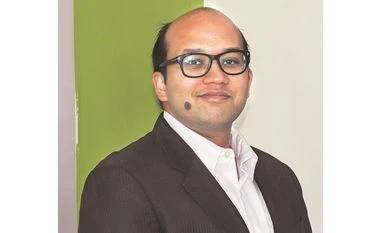 "ANKUR BANSAL, co-founder and director of BlackSoil")

