


Finding the right policy for edible oil
The strategy mooted by the finance minister to attain atmanirbharta in edible oilseeds like mustard, groundnut, sesame, soybean, and sunflower involves research on high-yielding crop varieties
 "edible oil")
premium
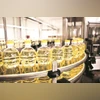
Representative image
Achieving self-sufficiency in edible oil has been on the agenda of successive governments at the Centre for decades, but without making much headway in this direction. Union Finance Minister Nirmala Sitharaman also promised in her Interim Budget speech this year to formulate a strategy to achieve “atmanirbharta” (self-reliance) in edible oil. She had, in fact, talked about it in 2019 as well. Yet, the gap in the indigenous production and requirement of edible oil has steadily been widening, increasing the dependence on import, which has grown now to over 60 per cent. While the output of oil has risen annually by about 2.2 per cent, the demand has surged at almost double the pace — 4.3 per cent. Consequently, edible oil purchases from abroad have gradually swelled from less than 1.5 million tonnes in the mid-1980s to a record 16.71 million tonnes in the Oil Year 2022-23, which ended in October 2023, costing a whopping Rs 1.38 trillion. Even on a regular basis, import has been averaging over 15 million tonnes a year, making vegetable oil the third-largest import item, after crude oil and gold.
Disclaimer: These are personal views of the writer. They do not necessarily reflect the opinion of www.business-standard.com or the Business Standard newspaper