


Bloc development: Bimstec needs faster progress; India's role is key
This sixth summit, hosted by Thailand under its chairmanship, saw some energetic interventions by India as part of the "PRO" agenda
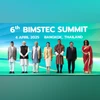 "BIMSTEC Summit 2025")
premium
India’s drive for greater strategic cohesion within a group comprising Bangladesh, Bhutan, India, Myanmar, Nepal, Sri Lanka, and Thailand aligns with New Delhi’s “Act East” policy| (Photo: X/PMO)
Listen to This Article
Twenty-eight years after its inception, member-countries of the Bay of Bengal Initiative for Multi-Sectoral Technical and Economic Cooperation, or Bimstec, appear to have attempted to instil a greater sense of purpose by adopting a Bangkok Vision 2030, outlining a road map for regional prosperity. The aim is to build a “prosperous, resilient and open” or “PRO” Bimstec by 2030 and create a zone of peace, stability, and economic sustainability in line with the United Nations’ Sustainable Development Goals and Thailand’s bio-circular-green economic model, which focuses on creating a low-carbon eco-system. This sixth summit, hosted by Thailand under its chairmanship, saw some energetic interventions by India as part of the “PRO” agenda. The initiatives unveiled by Prime Minister Narendra Modi in Bangkok ranged from Bimstec Centres of Excellence, focusing on disaster management, sustainable maritime transport, traditional medicine, and agri-research, to a “Bodhi Programme” for skill development, a pilot study for digital public infrastructure, a Bimstec chamber of commerce and greater people-to-people linkages.