Amid job cuts, Freecharge CEO quits as Snapdeal struggles with funding

Snapdeal has been struggling to raise fresh funds to sustain the business in the long run
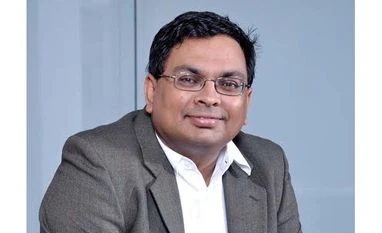
Govind Rajan, FreeCharge
Govind Rajan, CEO, FreeCharge
Ayan Pramanik Bengaluru
Last Updated : Feb 22 2017 | 3:23 PM IST
Govind Rajan, chief executive of payments Wallet Freecharge has quit the company as its parent Snapdeal is struggling to shed the business within two years of its acquisition, at a time when India’s digital payments ecosystem is growing.

“It has been a unique privilege to helm FreeCharge in these exciting times of rapid growth and user-focused innovation. I am confident that FreeCharge will achieve still greater heights under its incredibly talented team and I look forward to facilitating the transition over the next few weeks,” said Rajan.

Snapdeal, which acquired Freecharge for around $400 million in cash and stock deal in 2015, has been struggling to raise fresh funds to sustain the business in the long run. Lack of interest among investors at a high valuation had forced Snapdeal to put the payments wallet business on dock.

Rajan, a former head of Airtel’s Payments bank, has changed Freecharge, an online coupons platform to bring in more partners and users as a payment platform. He also partnered with MasterCard to offer a virtual prepaid debit card to users as the company played catch up to market leader Paytm in the business.

"Govind has brought incredible energy and focus in growing FreeCharge. The pace of progress will continue with the strong team that he has built. I am sure he will bring the same level of passion and resolve to whatever he chooses next. I wish him the very best,” said Kunal Bahl, CEO and co-founder of Snapdeal. 

Rajan confirmed his exit and Jason Kothari, head of strategy at Snapdeal will lead the company to its eventual exit.

India’s payment bank ecosystem is undergoing a disruption after the introduction of unified payments interface (UPI) that allows transfer of money between two individuals or a vendor on a mobile app. Since last November, when India began its demonetisation exercise to turn the country into a less cash economy, the government has also pushed adoption of UPI mandating all public sector banks to use the platform.

Besides this, the launch of payments bank by Airtel and the soon to be launched Paytm payments bank would mean that wallets would lose its relevance.

One subscription. Two world-class reads.

Already subscribed? Log in

Subscribe to read the full story →
*Subscribe to Business Standard digital and get complimentary access to The New York Times

Smart Quarterly

₹900

3 Months

₹300/Month

SAVE 25%

Smart Essential

₹2,700

1 Year

₹225/Month

SAVE 46%
*Complimentary New York Times access for the 2nd year will be given after 12 months

Super Saver

₹3,900

2 Years

₹162/Month

Subscribe

Renews automatically, cancel anytime

Here’s what’s included in our digital subscription plans

Exclusive premium stories online

  • Over 30 premium stories daily, handpicked by our editors

Complimentary Access to The New York Times

  • News, Games, Cooking, Audio, Wirecutter & The Athletic

Business Standard Epaper

  • Digital replica of our daily newspaper — with options to read, save, and share

Curated Newsletters

  • Insights on markets, finance, politics, tech, and more delivered to your inbox

Market Analysis & Investment Insights

  • In-depth market analysis & insights with access to The Smart Investor

Archives

  • Repository of articles and publications dating back to 1997

Ad-free Reading

  • Uninterrupted reading experience with no advertisements

Seamless Access Across All Devices

  • Access Business Standard across devices — mobile, tablet, or PC, via web or app

Next Story



