Asset quality concerns spoil IndusInd Bank's Q2 show; net profit surges 50%

Loan book growth slowed to 21 per cent and slippages and SMA-2 loan pool rose sharply
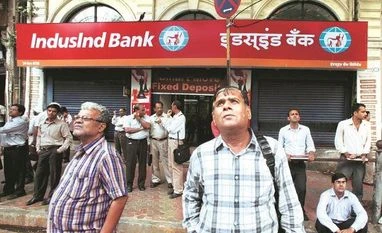
IndusInd Bank
Shreepad S Aute
3 min read Last Updated : Oct 11 2019 | 12:15 AM IST
IndusInd Bank’s July-September 2019 quarter’s (second quarter, or Q2) standalone net profit was up 50.3 per cent year-on-year (YoY) to Rs 1,383 crore, somewhat lower than analysts’ expectations of Rs 1,416 crore, according to a Bloomberg poll. However, signs of potential asset quality weakness spoiled the show. The stock shed over 6 per cent to close at Rs 1,228.95 on Thursday, even as the Sensex was down just 0.8 per cent.

Despite gross non-performing assets (NPAs) of 2.19 per cent in Q2 remaining near flat at the April-June 2019 quarter (first quarter, or Q1) levels of 2.15 per cent, other factors point to asset quality pressure for the private lender.

While slippages (accounts turning bad) jumped 1.5x sequentially in Q2, special mention account (SMA)-2 book (indicates potential NPAs) spiked by 3.5x. As percentage of loan book, SMA-2 stood at 0.58 per cent in Q2, against 0.17 per cent in Q1. Even after adjusting for corporate slippages due technical reasons (Rs 142 crore), the overall Q2 slippages were elevated.

It doesn’t end here.


IndusInd’s exposure to the large stressed accounts belonging to sectors like media, housing finance, and real estate, among others, collectively stood at 1.82 per cent of the loan book (some getting overlapped with SMA-2 pool). And, the bank has not provided for these accounts in excess of regulatory requirement (as the case with some of its peers), which could dent its capital and operating profit if the management’s expectations of major recoveries from these accounts do not come true.


This apart, slower loan book growth, too, hurts investor sentiments. The YoY consolidated loan book growth of 21 per cent, though not comparable due to Bharat Financial merger, is also lower than the 26-27 per cent estimated by analysts. Dismal performance of corporate banking and moderate growth in vehicle loan segment marred the overall loan book growth. According to the management, floods in some parts of the country also weighed on the microfinance book.

Mona Khetan, analyst at Reliance Securities, believes that with slippages inching upwards and moderation in loan growth, the stock is unlikely to get the valuation premium it used to get in the past. Though healthy fee income and superior net interest margins should aid the bank’s return ratios, she adds.

The stock is currently trading at around 2x its 2020-21 estimated book versus long-term one-year average valuations of around 3x.

Investors are recommended to wait for improvement in asset quality.

One subscription. Two world-class reads.

Already subscribed? Log in

Subscribe to read the full story →
*Subscribe to Business Standard digital and get complimentary access to The New York Times

Smart Quarterly

₹900

3 Months

₹300/Month

SAVE 25%

Smart Essential

₹2,700

1 Year

₹225/Month

SAVE 46%
*Complimentary New York Times access for the 2nd year will be given after 12 months

Super Saver

₹3,900

2 Years

₹162/Month

Subscribe

Renews automatically, cancel anytime

Here’s what’s included in our digital subscription plans

Exclusive premium stories online

  • Over 30 premium stories daily, handpicked by our editors

Complimentary Access to The New York Times

  • News, Games, Cooking, Audio, Wirecutter & The Athletic

Business Standard Epaper

  • Digital replica of our daily newspaper — with options to read, save, and share

Curated Newsletters

  • Insights on markets, finance, politics, tech, and more delivered to your inbox

Market Analysis & Investment Insights

  • In-depth market analysis & insights with access to The Smart Investor

Archives

  • Repository of articles and publications dating back to 1997

Ad-free Reading

  • Uninterrupted reading experience with no advertisements

Seamless Access Across All Devices

  • Access Business Standard across devices — mobile, tablet, or PC, via web or app

Topics :IndusInd Bank

Next Story


