Bike Taxis wage hygiene war on Covid-19 with cleaner seats and half-helmets

Remote working also being adopted for staff safety; masks and sanitisers for rider-partners
coronavirus
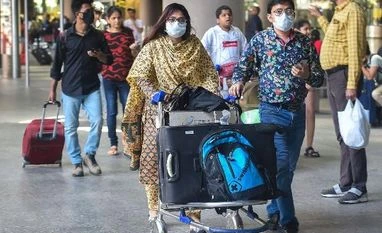
Fight passengers, wearing protective masks as precautionary measure against the coronavirus, at the international airport in Mumbai
Peerzada Abrar Bengaluru
4 min read Last Updated : Mar 19 2020 | 1:42 AM IST
With coronavirus (Covid-19) cases increasing in the country, bike-taxi companies such as Rapido and Ola Bike are increasingly focusing on personal hygiene. Bike-taxi unicorn Rapido is providing customers with mandatory half-helmets as opposed to full-face helmets. The riders (captains) are also asked to maintain personal hygiene and clean the pillion seat before onboarding customers in addition to wearing a mask at all times. 

“Bike Taxi is a more open and personalised way for intracity travel, as opposed to other crowded alternate ways like cabs, buses and trains, where the customer has an advantage of less exposure to any infection due to his/her limited interaction with the captain,” said the company. “We are also educating our customers and captains on how they can minimise the exposure to the virus by following precautionary measures and good hygiene practices via notifications, emails and our social media channels.”

According to experts, half helmets and open helmets are as safe and sturdy as full helmets. They are on sale across all merchandise stores of leading bike companies as well as top offline and online stores. They say there is no set official take on what helmets to wear and as long as they are sturdy and can help prevent head injuries, open face helmets are as good as any other available. “Considering the coronavirus pandemic, preventing the disease is more important. The company is taking a lot of measures to ensure the bikes are being driven in a very safe manner,” said a person familiar with Rapido’s strategy.

Bengaluru-based Rapido is present in over 90 cities with 500,000 partners catering to 10 million customers. Backed by investors such as Nexus Venture Partners and Westbridge Capital, Rapido, said it is constantly evaluating the situation and following global best practices to ensure the safety of our employees, customers and captains. At work, all employees have been advised to follow instructions on precautionary measures issued by the Ministry of Health and the World Health Organisation. “To keep our employees away from any harm or health hazard, we have also introduced a special ‘remote working program’ that gives each employee the flexibility and safety to work from home in order to maintain social distance as mingling in large groups might not only put their lives at stake but extend that risk to their families as well,” said the company. 

Rapido's competitor Ola Bikes, the micro-mobility service of the ride-hailing firm is also taking similar measures. This includes providing a steady supply of health advisory material, sanitisers and masks which can be picked up and used by the rider-partners to ensure the highest levels of cleanliness for themselves and their vehicles. “We are following the guidelines provided by the WHO and the government and also making sure the rider-partner are regularly cleaning their vehicles,” said a person familiar with Ola Bikes’ strategy to counter coronavirus outbreak. Ola Bikes is currently running in 200 cities and towns with over 300,000 bike-partners. The SoftBank-backed company had said 80 per cent of these markets are small towns, with a population of less than one million .

With the emergence of ride-hailing services, bike-taxis have gained popularity as a made-for-India solution. Ola Mobility Institute (OMI) has come up with a study which estimates the revenue potential of bike taxis is at $4-5 billion along with generating over 2 million livelihood opportunities in the next few years. The study found that bike taxis are an ideal first mile-last mile solution as 70-85% of customers prefer to use bike-taxis to travel distances less than 7 km. Another such company Uber Moto is completing over 150,000 trips a day across 30 cities. Also, Baxi Fresh, one of the first bike-taxi companies has pivoted into providing hyperlocal deliveries.

One subscription. Two world-class reads.

Already subscribed? Log in

Subscribe to read the full story →
*Subscribe to Business Standard digital and get complimentary access to The New York Times

Smart Quarterly

₹900

3 Months

₹300/Month

SAVE 25%

Smart Essential

₹2,700

1 Year

₹225/Month

SAVE 46%
*Complimentary New York Times access for the 2nd year will be given after 12 months

Super Saver

₹3,900

2 Years

₹162/Month

Subscribe

Renews automatically, cancel anytime

Here’s what’s included in our digital subscription plans

Exclusive premium stories online

  • Over 30 premium stories daily, handpicked by our editors

Complimentary Access to The New York Times

  • News, Games, Cooking, Audio, Wirecutter & The Athletic

Business Standard Epaper

  • Digital replica of our daily newspaper — with options to read, save, and share

Curated Newsletters

  • Insights on markets, finance, politics, tech, and more delivered to your inbox

Market Analysis & Investment Insights

  • In-depth market analysis & insights with access to The Smart Investor

Archives

  • Repository of articles and publications dating back to 1997

Ad-free Reading

  • Uninterrupted reading experience with no advertisements

Seamless Access Across All Devices

  • Access Business Standard across devices — mobile, tablet, or PC, via web or app

Topics :CoronavirusOla cabUber India

Next Story



