BSNL to start telecom services in Mumbai and Delhi from January 1

The two metros will see the shift from MTNL as merger and VNO options are non-starters
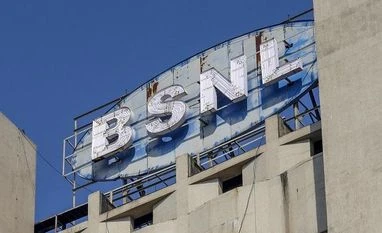
BSNL
BSNL will start providing telecom services, both wireless and fixed line, in Mumbai and Delhi on behalf of MTNL from January 1 on a pilot basis for five to six months.
Megha Manchanda New Delhi
2 min read Last Updated : Nov 11 2020 | 6:05 AM IST
It’s going to be a different new year for Mumbai and Delhi as the two metro cities will for the first time get telecom services from state-owned Bharat Sanchar Nigam Ltd (BSNL). So far, Mahanagar Telephone Nigam Ltd (MTNL) — once a telecom major enjoying a dominant market share in the fixed line space — offered its services in Delhi and Mumbai while BSNL catered to the rest of the country.

Besides the proposed merger of the two cash-strapped companies, the Department of Telecommunications (DoT) was also contemplating MTNL functioning as virtual network operator for BSNL. But, both options are off the table now, according to a source in the know.

“The VNO proposal may not go through over the issue of 8 per cent licence fee. The telecom operator and the VNO are expected to pay a licence fee of 8 per cent, which means it will add to the expenditure of both the companies instead of reducing it,” an official said.

BSNL will start providing telecom services, both wireless and fixed line, in Mumbai and Delhi on behalf of MTNL from January 1 on a pilot basis for five to six months.


Recently, the government had asked its staff to shift to BSNL and MTNL services to revive the two loss-making telcos.

BSNL is expected to also launch its 4G services from these cities. The pilot in Delhi and Mumbai may be used to test the water, it is believed. The Prime Minister’s Office is likely to vet the proof of concept before the 4G services are launched.

The proof of concept, which determines whether the equipment supplier is fit to deliver the gear, is expected to be completed by mid-2021. The tender for sourcing the telecom equipment will be floated after that.

The plan of merging the firms has not been found feasible by the government, which holds 57 per cent in MTNL. A smoother merger can take place if the government holds 90 per cent stake in both the entities, as mandated by the Sebi. The government, on October 24, 2019, had approved a ~68,751-crore revival package for the two loss-making telcos. The government had indicated that till the merger process is complete, MTNL will operate as a subsidiary of BSNL.

One subscription. Two world-class reads.

Already subscribed? Log in

Subscribe to read the full story →
*Subscribe to Business Standard digital and get complimentary access to The New York Times

Smart Quarterly

₹900

3 Months

₹300/Month

SAVE 25%

Smart Essential

₹2,700

1 Year

₹225/Month

SAVE 46%
*Complimentary New York Times access for the 2nd year will be given after 12 months

Super Saver

₹3,900

2 Years

₹162/Month

Subscribe

Renews automatically, cancel anytime

Here’s what’s included in our digital subscription plans

Exclusive premium stories online

  • Over 30 premium stories daily, handpicked by our editors

Complimentary Access to The New York Times

  • News, Games, Cooking, Audio, Wirecutter & The Athletic

Business Standard Epaper

  • Digital replica of our daily newspaper — with options to read, save, and share

Curated Newsletters

  • Insights on markets, finance, politics, tech, and more delivered to your inbox

Market Analysis & Investment Insights

  • In-depth market analysis & insights with access to The Smart Investor

Archives

  • Repository of articles and publications dating back to 1997

Ad-free Reading

  • Uninterrupted reading experience with no advertisements

Seamless Access Across All Devices

  • Access Business Standard across devices — mobile, tablet, or PC, via web or app

Topics :BSNLtelecom servicestelecom sector

Next Story



