Circulation of newspaper PDFs by third party applications and social media groups is illegal, said Indian Newspaper Society (INS). According to the industry body of newspaper media outlets in the country, the practice that has gained steam since the lockdown in early-2020, is in total violation of intellectual property rights and apart from hurting the industry, it is a threat to society.
According to INS, mass circulation of newspaper PDFs is robbing the media outlets of their due revenue and impacting their ability to invest in collecting and publishing credible news. "A large pool of journalists, production and distribution staff is involved in publishing the newspaper. But dedicated groups have emerged, who copy the paper early in the morning and distribute online, either for monetary or social gains. However, the real production staff and the media company are robbed off their efforts. This is like releasing pirated versions of a movie on the web, before its theatrical release," said Manish Jain, vice-president, INS.
In spite of studies and researches conclusively declaring physical newspapers fully safe, since the pandemic, the demand for PDF versions are on the rise. While most leading newspaper companies have come up with their subscription models that also allows downloading and reading newspapers in PDF forms, a bunch of groups have emerged on social media platforms like Telegraph and WhatsApp, who copy the PDF file as soon as these are published, in the early hours, and distribute them for free.
While the sale of physical newspapers on decline, if companies do net get due revenue share from the PDF versions, then their ability to pay employees and reinvest in future projects will be severely hurt, the body estimates. Widespread circulation of newspaper PDFs on social media and through other methods is already hurting the news media industry by denting the finances of media outlets.
Since the Covid pandemic and ensuing lockdown have disrupted newspaper outlets, their finances are under pressure. Poor economic growth and growing influence of digital media were already impacting finances in 2019-20. The country's largest print media player, the Bennet Coleman and Company (BCCL), posted a Rs 452-crore net loss in 2019-20, versus a Rs 484 crore profit in 2018-19, business intelligence platform Tofler noted. Its operating revenue declined over 3.7 per cent YoY to Rs 9,254.5 crore as falling rates dragged its ad revenue down by 13 per cent.
The Covid pandemic has further impacted the finances of print media companies. While latest numbers for BCCL are not yet available, another print media major HT Media's financials reflect the trend. In the April-June quarter, HT's total income dlunged 59 per cent to Rs 238.7 crore, while in the September quarter, it was 48 per cent lower than the year-ago quarter.

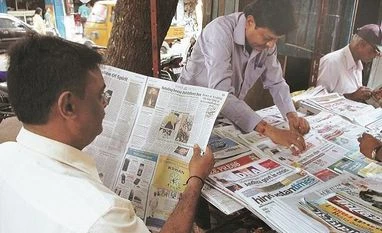 "Circulating newspaper PDFs illegal via social media, hurts journalism: INS")











