End of mega consolidation in cement sees a new pecking order emerge

Jaypee Group, Lafarge India out from top-ten list; Ultratech, Dalmia Bharat and Shree Cement strengthen their positions in it
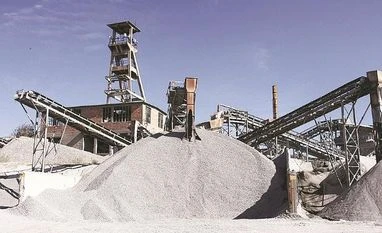
cement
Amritha Pillay Mumbai
Last Updated : Mar 15 2018 | 12:06 AM IST
The final decision on the sale of Binani Cement will not draw the curtains on the deal alone, but also on the consolidation spree seen in the country’s cement industry the past few years.

The good news is there is a new pecking order that has emerged, with the market share of some of the top 10 companies strengthening further. However, price discipline continues to elude, as companies focus on volumes and higher market share.

One of the early deals seen in this consolidation phase was Ultratech Cement’s purchase in 2013 of two cement assets in Gujarat with a combined capacity of 4.8 million tonnes from Jaiprakash Associates. The sale of Binani Cement‘s assets will mark the end of this phase.

“We believe the consolidation in the cement sector is largely over. Even if there is demand for assets, not many are up for sale. The buyers will now concentrate on optimising the existing assets before they bite into more,” said Sachin Gupta, Senior Director, Crisil Ratings.

The close to four-year consolidation phase has resulted in companies such as Jaypee Group and Lafarge India moving out from the top-ten list, while Ultratech, Dalmia Bharat Cement and Shree Cement have further strengthened their position in it. The gap between the largest manufacturer, Ultratech, and the second largest, Holcim group, has widened to nearly 30 million tonnes. At the same time, others like Dalmia and Shree, have grown in size to rival bigger companies such as Holcim’s ACC and Ambuja Cements.

At the start of the consolidation spree, the expectation was that a larger capacity in fewer hands may lead to a better price discipline. However, with consolidation now at its fag-end, that expectation remains unmet. “Despite the consolidation, we see cement companies chasing market share and volumes, price discipline is missing, cement prices are on a decline,” said Nitin Bhasin, managing director and Head of Equities Research, Institutional Equities, Ambit Capital. According to a Crisil report, for the nine-month period of the current fiscal year, large listed cement companies showed a revenue growth of 15 per cent, lower than the industry average of 11 per cent.

There are a few others like JSW Cement who may have missed the bus for inorganic growth. The Sajjan Jindal-promoted company was a bidder for most of the cement assets, but failed to win any. JSW Cement has set a target of reaching 20 mtpa capacity by 2020 and follow it up with an initial public offering (IPO). An email query sent to JSW Cement on Monday remained unanswered.

Industry analysts believe not all may be lost for companies like JSW, however. “For inorganic growth options, smaller assets and half-complete ones will still be looked at and pursued. There would be another 10-20 million tonnes of cement capacities (shut or operating inefficiently) which are regional in nature, out there for acquisition,” Bhasin from Ambit added.

JSW Cement is not the only company wanting to bet big on India’s cement demand story. Atul Daga, Executive Director and chief financial officer for Ultratech, in an earnings call in January, noted new capacity addition is on a rise. “I would expect by the end of next year the the industry will be about 440 million tonnes, with anywhere between 30 million to 35 million tons getting commissioned. Of this, 11 million tonnes is ours," he said.  In addition, others like Shree Cement aim to operate a 40-million-tonne capacity by 2020.
 
With Indian cement companies focusing on an ambitious capacity expansion plan underway, a new pecking order may emerge once again in the next few years. For now, it’s a close for India’s cement consolidation spree.

One subscription. Two world-class reads.

Already subscribed? Log in

Subscribe to read the full story →
*Subscribe to Business Standard digital and get complimentary access to The New York Times

Smart Quarterly

₹900

3 Months

₹300/Month

SAVE 25%

Smart Essential

₹2,700

1 Year

₹225/Month

SAVE 46%
*Complimentary New York Times access for the 2nd year will be given after 12 months

Super Saver

₹3,900

2 Years

₹162/Month

Subscribe

Renews automatically, cancel anytime

Here’s what’s included in our digital subscription plans

Exclusive premium stories online

  • Over 30 premium stories daily, handpicked by our editors

Complimentary Access to The New York Times

  • News, Games, Cooking, Audio, Wirecutter & The Athletic

Business Standard Epaper

  • Digital replica of our daily newspaper — with options to read, save, and share

Curated Newsletters

  • Insights on markets, finance, politics, tech, and more delivered to your inbox

Market Analysis & Investment Insights

  • In-depth market analysis & insights with access to The Smart Investor

Archives

  • Repository of articles and publications dating back to 1997

Ad-free Reading

  • Uninterrupted reading experience with no advertisements

Seamless Access Across All Devices

  • Access Business Standard across devices — mobile, tablet, or PC, via web or app

Next Story


