Vijay Shekhar Sharma, founder of the country’s biggest mobile wallet and financial services firm Paytm, launched an offensive against Facebook, which owns WhatsApp.
In a telephonic interview from Canada, Sharma told Business Standard: “I completely believe that Facebook is the most evil company in the world. Earlier, they tried to dupe the country with what they called was free internet. Now, they are flouting all guidelines and rules and bringing out an app that does not need three-step authentication to make online and mobile payments.”
A couple of days ago, Sharma took to Twitter following a story that appeared in The Ken, and tweeted how WhatsApp Pay, the messenger giant’s upcoming payments platform, will kill the “open UPI system with its custom close garden implementation”.
This is not the first time Facebook and Sharma have been at loggerheads. The Paytm founder was one of the few Indian entrepreneurs who had opposed Free Basics, Facebook’s internet-for-all plan for India.
On being branded as protectionist from certain quarters in the payments sector, Sharma said that all he wanted was equal treatment for all companies.
“It is not at all about being protectionist. Everyone should be allowed to play the field. But no one should arm twist and tweak rules to suit their designs. I have always maintained that WhatsApp is a major security risk to India. But just like any other player, they are and should be allowed to operate in the country. However, they need to follow the rules,” Sharma said.
In his fight to win India’s digital payments war, Sharma drew first blood against WhatsApp Pay and has effectively divided the sector. Some in the payments industry are now saying that the comments are against the very idea of an open market.
“…There is clear record of private companies who got access first and exclusively when UPI was launched. Those complaining about WhatsApp are the same folks who refuse to entertain neutral payment options (like @MobiKwik ) on their own ecom websites/apps and instead promote only captive wallets…,” tweeted Bipin Preet Singh, founder of MobiKwik.
Also, experts believe that the sector should not jump to conclusions on WhatsApp Pay, which is still in its ‘Beta testing’ phase.
The feud between Sharma and Facebook has already caused Neeraj Arora, vice-president of business development for WhatsApp, to resign from Paytm’s board. “WhatsApp is still testing its payments. We do not know what the final version of the product will be. It will have to follow all the guidelines set by the NPCI (National Payments Corporation of India) anyway. We should wait till it is released to all in March or early April,” said a source close to Facebook.
Some media reports suggest that BHIM-UPI branding is not being used anywhere in WhatsApp, while other digital payments platforms are following all norms.
WhatsApp is also allegedly not following the mandatory three-step authentication to make online and mobile payment safe for consumers as it does not require any password to login to the app, which might put users at risk while they integrate their WhatsApp with bank accounts.
A spokesperson of NPCI declined to offer any comments on the matter, while Facebook could not be reached immediately for comments.

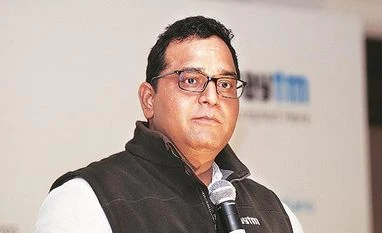 "Facebook most evil firm in world, says Paytm chief Vijay Shekhar Sharma")











