Govt takes U-turn on policy for EVs; Nitin Gadkari says action plan enough

The government was planning an EV policy with the aim of 100 per cent electric mobility by 2030
Nitin Gadkari, Gadkari
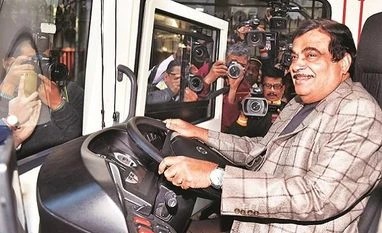
Union minister Nitin Gadkari at the inauguration of two electric vehicle charging points in New Delhi on Thursday. Photo: PTI
Megha Manchanda New Delhi
Last Updated : Feb 16 2018 | 2:18 AM IST
In a U-turn on its ambitious electric vehicle (EV) policy, Union Transport Minister Nitin Gadkari on Thursday said an action plan had been put in place for the proposal, which would encourage manufacturing and use of EVs.

“There is no need for an EV policy. An action plan has been prepared. Each ministry has started implementing the action plan,” NITI Aayog Chief Executive Officer Amitabh Kant said, while addressing the media after Gadkari inaugurated two electric charging stations on the NITI Aayog’s premises.

Gadkari, who has been vocal in his preference for EVs over conventional ones that run on petrol and diesel, said since the action plan for such vehicles was ready, the need for a policy did not arise.

Gadkari’s latest position is at variance with his earlier statement that an EV policy was awaiting the clearance of the Cabinet.

The government was planning an EV policy with the aim of 100 per cent electric mobility by 2030. However, the automobile industry has in the past few months raised concerns over the execution of such a plan.

In an interview to Business Standard earlier this month, Gadkari had said, “We want electric, ethanol, biodiesel, and methanol buses to ply in the country. It will help address the problem of air pollution affecting major cities. We want to adopt the Transport for London (TfL) model. Nine operators in London and the corporation bring out a tender on the basis of a per kilometre charge.”

Gadkari had emphasised that the government was not against the use of petrol and diesel cars but at the same time wanted to bring in new technology for sustainable transportation. 

“Accelerated adoption of electric and shared vehicles can save $60 billion in diesel and petrol costs, while cutting down as much as 1 gigatonne of carbon emissions by 2030,” government think tank NITI Aayog has said in a joint report with the Rock Mountain Institute.

One subscription. Two world-class reads.

Already subscribed? Log in

Subscribe to read the full story →
*Subscribe to Business Standard digital and get complimentary access to The New York Times

Smart Quarterly

₹900

3 Months

₹300/Month

SAVE 25%

Smart Essential

₹2,700

1 Year

₹225/Month

SAVE 46%
*Complimentary New York Times access for the 2nd year will be given after 12 months

Super Saver

₹3,900

2 Years

₹162/Month

Subscribe

Renews automatically, cancel anytime

Here’s what’s included in our digital subscription plans

Exclusive premium stories online

  • Over 30 premium stories daily, handpicked by our editors

Complimentary Access to The New York Times

  • News, Games, Cooking, Audio, Wirecutter & The Athletic

Business Standard Epaper

  • Digital replica of our daily newspaper — with options to read, save, and share

Curated Newsletters

  • Insights on markets, finance, politics, tech, and more delivered to your inbox

Market Analysis & Investment Insights

  • In-depth market analysis & insights with access to The Smart Investor

Archives

  • Repository of articles and publications dating back to 1997

Ad-free Reading

  • Uninterrupted reading experience with no advertisements

Seamless Access Across All Devices

  • Access Business Standard across devices — mobile, tablet, or PC, via web or app

Next Story



